Best Time to Visit Merzouga and the Erg Chebbi Dunes❤️
Choosing the best time to visit Merzouga can make a significant difference in how you experience the Sahara. While the desert is accessible year-round, weather conditions, comfort levels, and atmosphere vary greatly depending on the season.
Located in southeastern Morocco, Merzouga sits at the edge of the majestic Erg Chebbi dunes. Understanding how the seasons affect this region helps travelers plan a smoother and more enjoyable desert journey.
Why Timing Matters When Visiting Merzouga
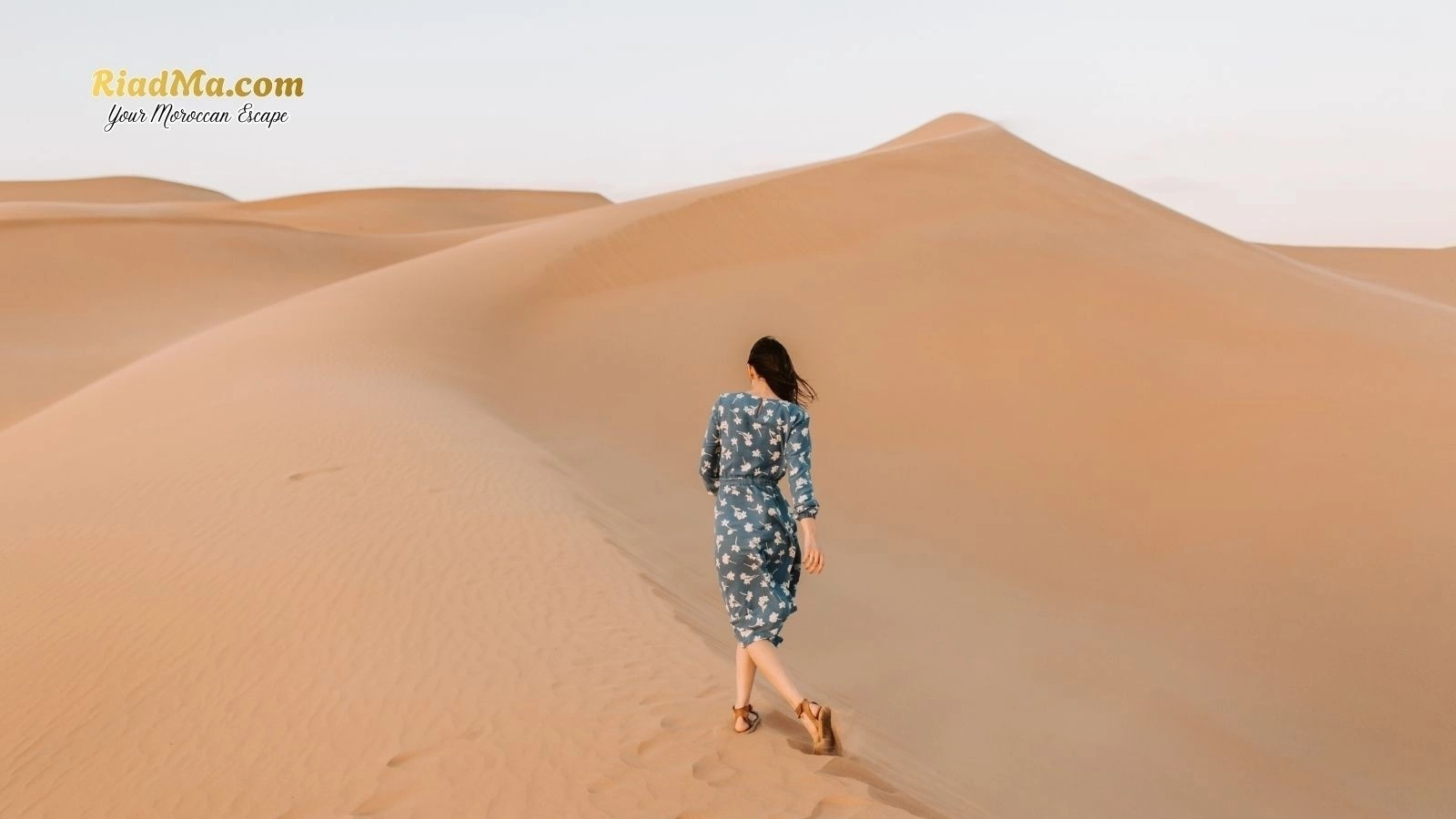
Merzouga is a true desert environment, which means temperatures and conditions change more noticeably than in Morocco’s cities. Choosing the right time of year affects not only comfort but also how much you can enjoy activities such as camel trekking, walking on the dunes, and sleeping in a desert camp.
Some seasons offer mild days and cool nights, while others bring intense heat or chilly evenings. Knowing this in advance helps avoid surprises and ensures the experience matches expectations.
The Best Overall Time to Visit Merzouga
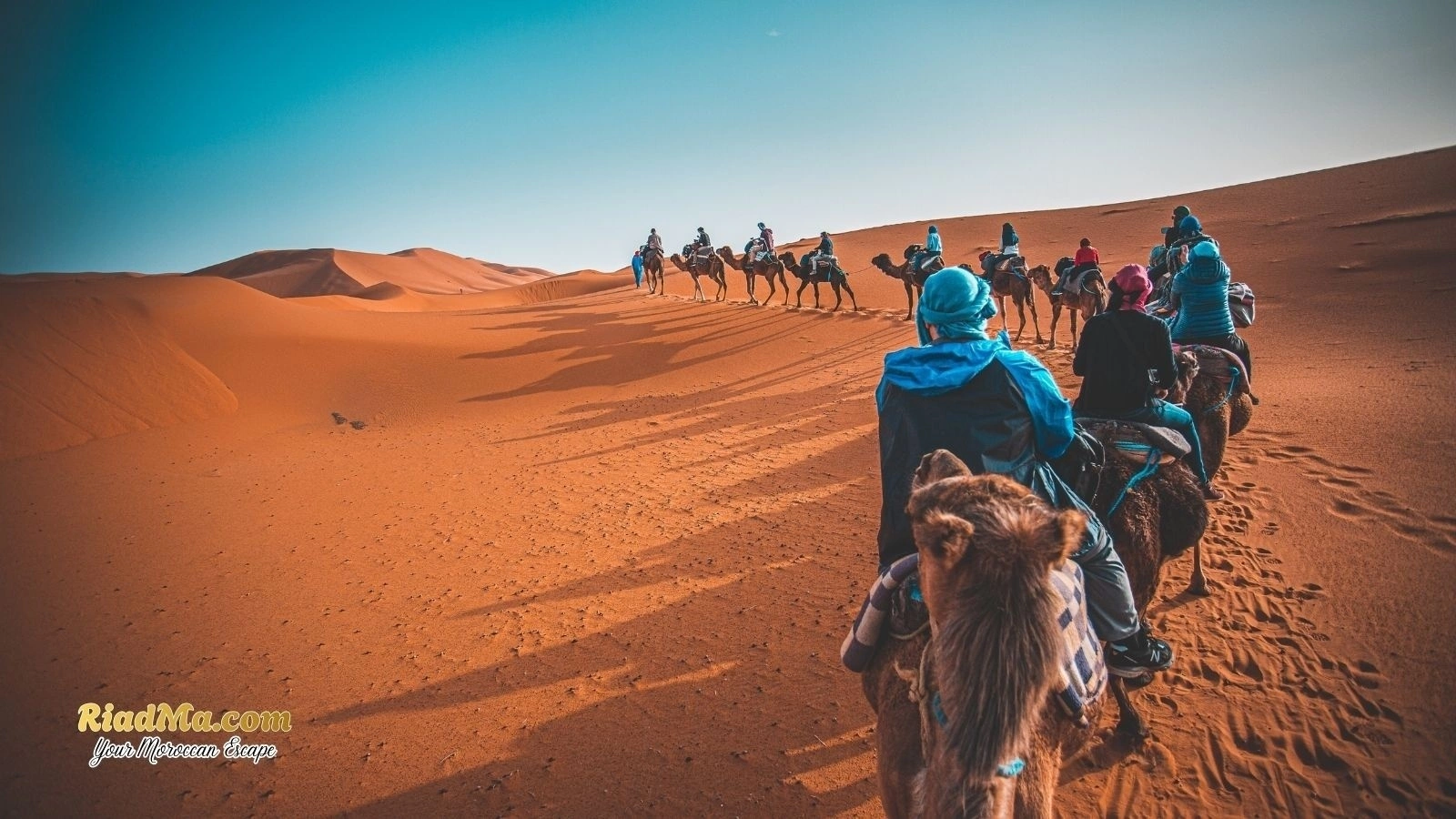
For most travelers, the best time to visit Merzouga is during spring (March to May) and autumn (September to November). These periods offer the most balanced conditions, with comfortable daytime temperatures and pleasant evenings.
During these months, visitors can enjoy:
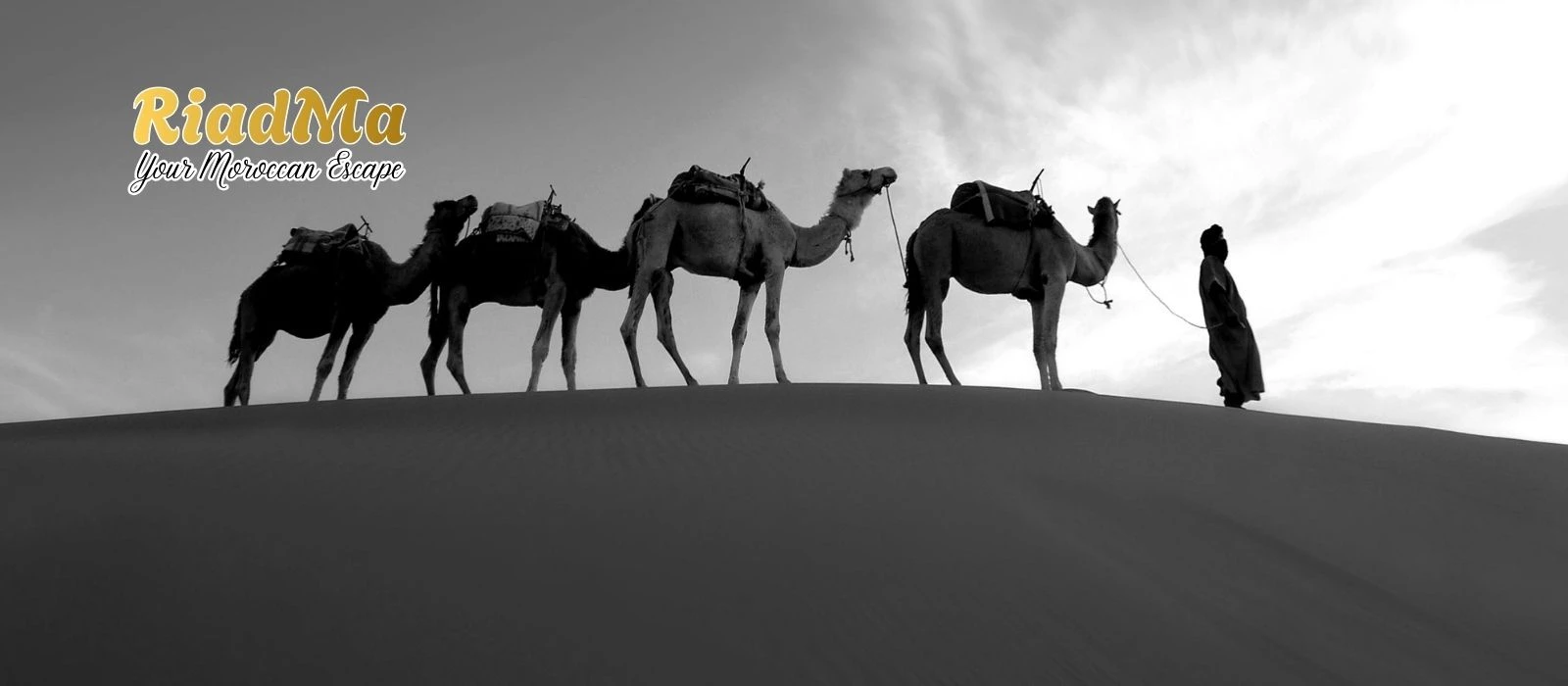
- Comfortable camel rides
- Clear desert skies
- Relaxed evenings at desert camps
These seasons also provide a good balance between lively atmosphere and manageable crowd levels.
Visiting Merzouga in Spring (March to May)
Spring is one of the most popular times to visit Merzouga. Days are warm without being overwhelming, and nights remain cool enough for restful sleep in the desert.
The desert feels alive during spring, with soft light, shifting sand colors, and a calm rhythm that suits first-time visitors particularly well.
Visiting Merzouga in Summer (June to August)
Summer in Merzouga is marked by high daytime temperatures, especially in the early afternoon. However, this does not mean the desert is closed or unmanageable.
Many travelers still visit during summer by adjusting their schedule. Activities are often planned early in the morning or later in the evening, when the heat is less intense.
- Fewer crowds
- Quiet desert atmosphere
- Warm nights in desert camps
Summer can suit travelers who are comfortable with heat and prefer a more tranquil experience.
Visiting Merzouga in Autumn (September to November)
Autumn rivals spring as the best season to visit Merzouga. Temperatures gradually cool after summer, making daytime activities comfortable again.
This period offers excellent conditions for camel trekking and desert photography, with golden light and clear horizons. Autumn also tends to feel slightly less busy than spring.
Visiting Merzouga in Winter (December to February)
Winter in Merzouga brings mild daytime temperatures and noticeably cold nights. While days are comfortable for exploring the dunes, evenings require warm clothing.
Winter is ideal for travelers who enjoy quiet surroundings and cooler weather. Desert camps provide blankets, making overnight stays cozy despite the cold.
- Peaceful atmosphere
- Cool, comfortable days
- Very clear night skies
When to Avoid Crowds in Merzouga
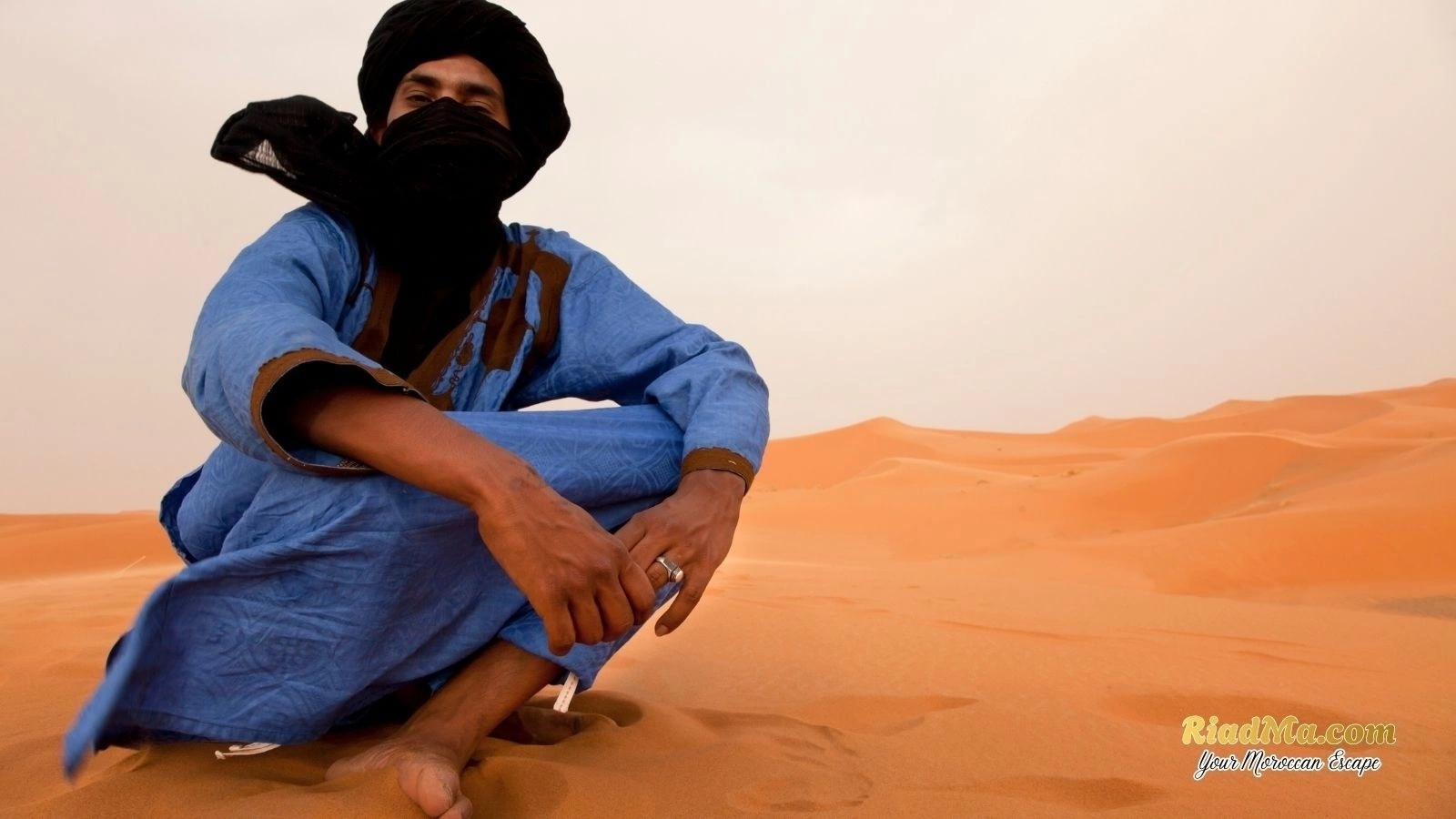
Merzouga is busiest during spring and autumn, especially around major travel periods. Travelers seeking a quieter experience may prefer summer or winter months, when visitor numbers are lower.
Choosing shoulder periods within each season can also help avoid peak crowds while maintaining comfortable conditions.
Choosing the Best Time to Visit Merzouga for You
There is no single perfect month to visit Merzouga. The best time depends on your comfort with heat or cold, your travel schedule, and the kind of atmosphere you prefer.
By understanding seasonal differences, you can plan a Sahara experience that feels natural, enjoyable, and well suited to your expectations — whether that means lively spring evenings, quiet summer nights, golden autumn days, or peaceful winter sunsets.