Is Morocco Safe to Visit? Honest Guide for Tourists❤️
One of the most common questions I hear from travelers, often asked in a lowered voice or cautious email, is simple and direct: is Morocco safe? I have guided families, solo travelers, couples, and first-time adventurers across Morocco for many years, and this question always deserves an honest, nuanced answer — not fear-based headlines or vague reassurances.
Morocco is a welcoming country with a long history of hosting travelers. At the same time, it is culturally different from many Western countries, and misunderstanding those differences is often what causes discomfort, not danger. This guide is written to help you travel informed, confident, and aware.
The Short Answer: Is Morocco Safe for Tourists?
Yes — Morocco is generally safe for tourists. Violent crime against visitors is rare, and millions of travelers visit Morocco every year without incident. That said, safety in Morocco depends less on luck and more on awareness, cultural understanding, and realistic expectations.
Morocco safety for tourists is comparable to many popular destinations in Southern Europe or Southeast Asia. Most issues travelers encounter involve petty scams, overpricing, or unwanted attention rather than serious threats.
Understanding Safety in Morocco Beyond Headlines
News articles and travel warnings often lack context. Morocco is politically stable, has a visible police presence in tourist areas, and takes tourism seriously as a national priority.
However, Morocco is not a theme park. It is a living country with social norms, economic realities, and daily rhythms that may feel unfamiliar.
What Morocco Is Not
- It is not a war zone
- It is not hostile to foreigners
- It is not unsafe by default
What Morocco Is
- Busy and sometimes chaotic
- Culturally conservative in places
- Socially interactive and direct
Common Safety Concerns Travelers Have
Petty Crime and Scams
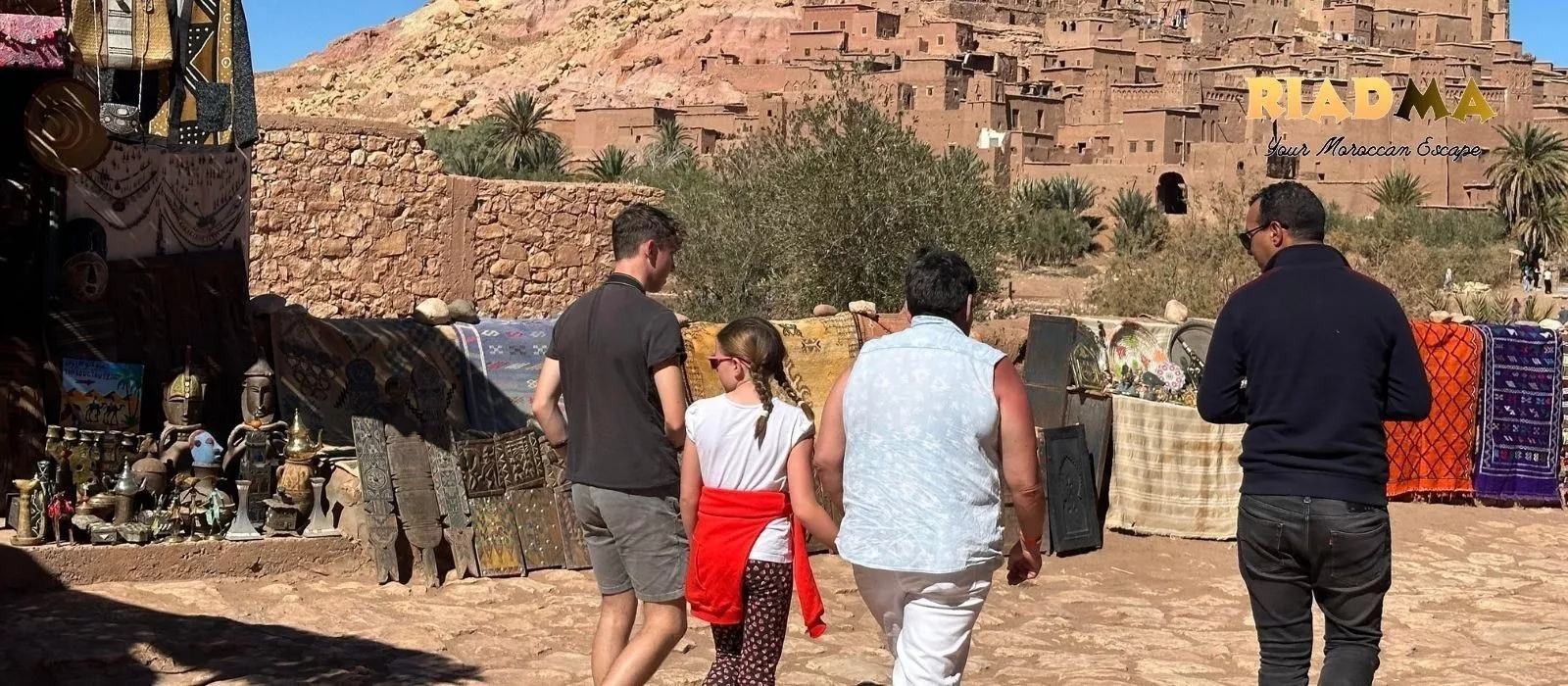
The most common issues involve pickpocketing, fake guides, and inflated prices. These are concentrated in busy tourist areas such as medinas, markets, and transport hubs.
Violent crime is extremely rare against tourists. Most incidents are non-confrontational.
Getting Lost in the Medina
Medinas are intentionally maze-like. Getting lost is normal and not dangerous. Locals may offer help — some genuinely, others expecting a small tip.
Unwanted Attention
Some travelers, especially women, experience persistent comments or invitations. This is more about curiosity and social boundaries than aggression.
Solo Female Travel in Morocco: An Honest Perspective
Solo female travel in Morocco is possible and increasingly common. I have guided many women traveling alone, and most describe Morocco as challenging at times but deeply rewarding.
Women may receive more attention than men, especially in traditional areas. This does not usually escalate beyond comments or invitations.
Practical Advice for Women
- Dress modestly, especially in smaller towns
- Avoid walking alone late at night in unfamiliar areas
- Ignore comments rather than engaging
- Choose riads with good reviews
Confidence, awareness, and calm boundaries go a long way.
Transportation Safety in Morocco
Trains
Trains are safe, modern, and reliable. First-class tickets offer extra comfort and assigned seating.
Taxis
Petit taxis operate within cities. Always confirm the meter or price beforehand.
Private Drivers
For long distances, private drivers are safe and common. Use reputable companies or recommendations.
Road Trips
A Morocco road trip is safe, but expect slower travel times and unpredictable road conditions in rural areas.
Morocco Travel Warnings: How to Read Them Correctly
Many governments issue general Morocco travel warnings that emphasize caution without indicating high risk.
These warnings are often legal precautions rather than reflections of daily reality.
Pay attention to advice about demonstrations, border areas, and remote travel — but avoid assuming danger everywhere.
Cultural Awareness Is Your Best Safety Tool
Most discomfort travelers experience comes from cultural misunderstanding rather than actual threats.
Key Cultural Points
- Morocco is socially conservative in many areas
- Public displays of affection are discouraged
- Alcohol is available but discreet
- Religion influences daily schedules
Respecting local norms reduces friction instantly.
Do’s and Don’ts for Staying Safe in Morocco
Do
- Dress respectfully
- Carry small bills
- Ask hotel staff for advice
- Learn basic greetings
- Trust your instincts
Don’t
- Flash valuables
- Engage aggressively with sellers
- Assume friendliness is a threat
- Walk alone late at night in empty areas
Health and Food Safety
Tap water is not recommended for drinking. Bottled water is inexpensive and widely available.
Street food can be excellent if it is busy and freshly prepared. Follow local crowds.
Pharmacies are common, and pharmacists are knowledgeable.
Local Insights Google Maps Won’t Tell You
Distances take longer than expected. Plan buffer time.
Friday mornings are slow due to prayer.
Police presence increases during festivals and holidays.
Most Moroccans are genuinely helpful when approached respectfully.
What to Expect Emotionally as a First-Time Visitor
Morocco can feel intense at first. Sounds are louder, interactions are more direct, and routines differ.
This initial shock often fades into appreciation once travelers stop comparing and start observing.
Final Verdict: Is Morocco Safe to Visit?
So, is Morocco safe? Yes — for informed, respectful, and aware travelers, Morocco is a safe and enriching destination.
Like any country, it requires common sense and cultural understanding. Those who arrive prepared often leave with stories of generosity, warmth, and unforgettable encounters.
Travel Morocco with curiosity rather than fear, and it will reward you far more than you expect.