How to Get to Morocco Desert Camps from Marrakech or Fes: Routes, Distances and Tips❤️
I still remember leaving the soft chaos of Marrakech behind at dawn, the city slowly dissolving into olive groves and dusty plains. Hours later, when the first dunes appeared on the horizon, the silence felt almost sacred. The road to the desert is not merely a transfer — it is a transition. A gentle passage from vibrant cities into vast stillness.
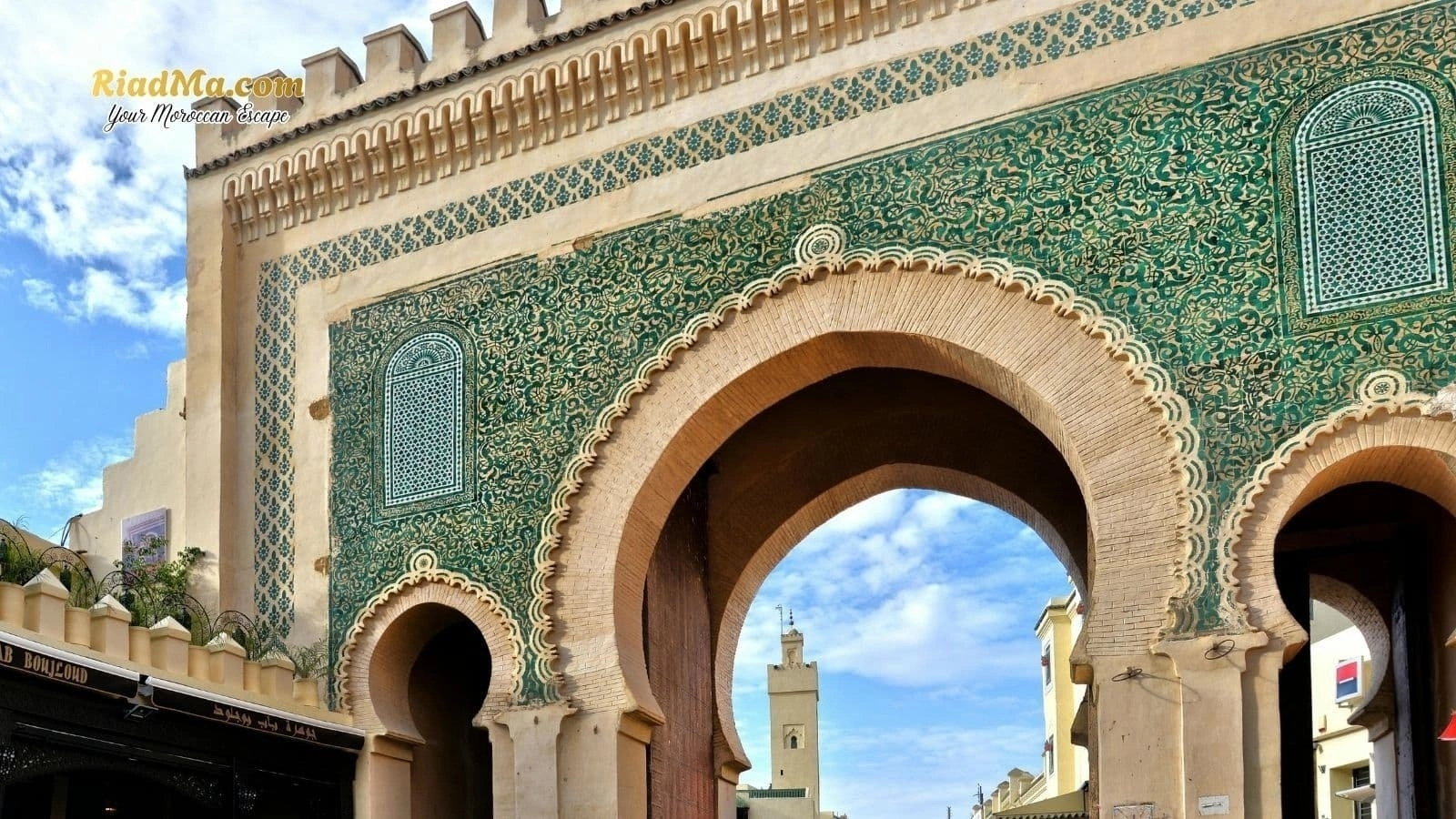
If you are planning to travel from Marrakech or Fes to a desert camp near the dunes of Erg Chebbi, this guide will walk you through the routes, distances, and practical tips — but also the atmosphere that awaits you at the end of the road.
The Two Main Gateways to the Sahara
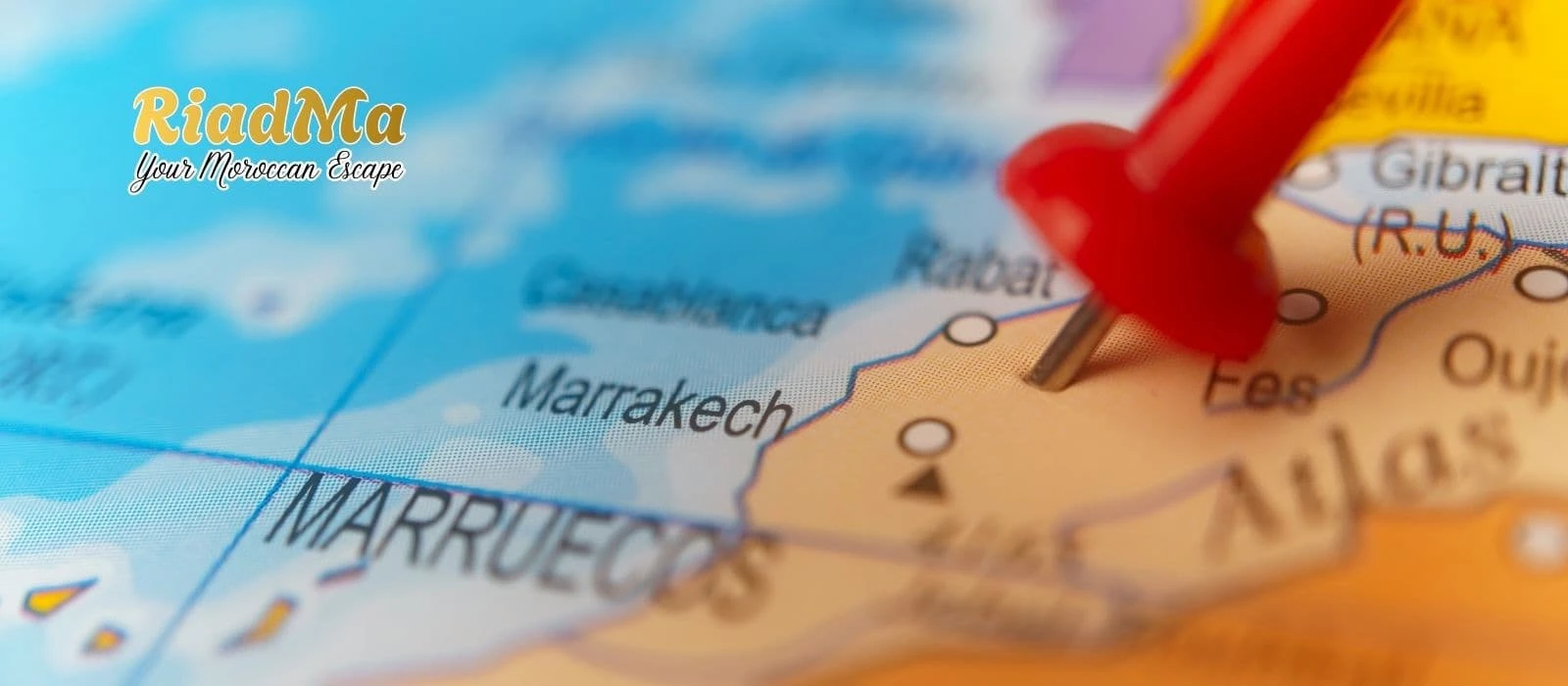
Most travelers heading to Morocco’s desert camps begin their journey in either Marrakech or Fes. Both cities offer completely different landscapes along the way — and each route has its own character.
- From Marrakech: Dramatic mountain passes, ancient kasbahs, and cinematic valleys.
- From Fes: Cedar forests, alpine towns, and a gradual transformation into desert terrain.
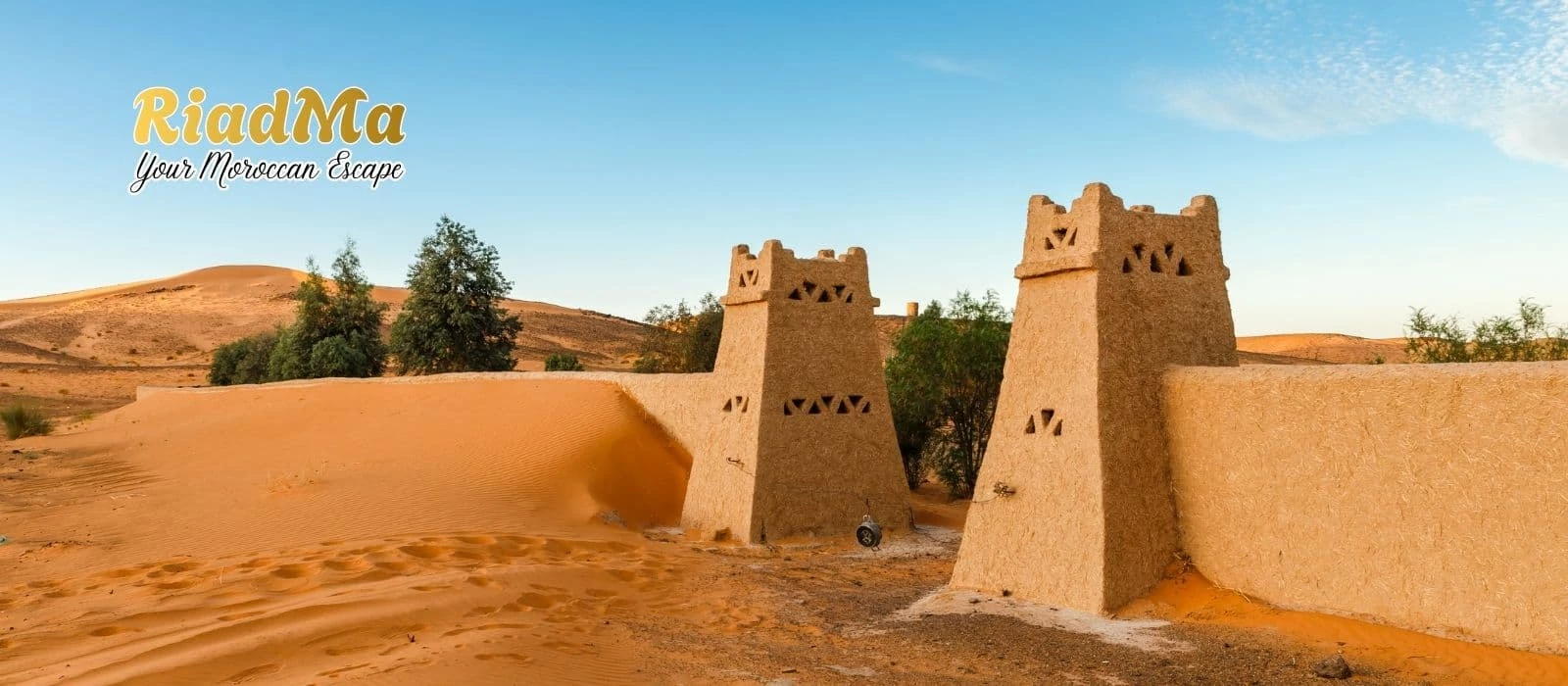
Whichever city you depart from, the final destination is usually near the village of Merzouga, at the edge of the Sahara dunes.
From Marrakech to the Desert: Crossing the High Atlas
Distance & Duration
- Approximate distance: 560 km
- Driving time: 9–10 hours without long stops
- Recommended: Split into 2 days
The journey from Marrakech begins by climbing into the High Atlas Mountains via the famous Tizi n’Tichka pass. The road twists and rises, revealing valleys stitched with terraced fields and small Berber villages clinging to hillsides.
This route is visually spectacular — but long. I personally recommend dividing the trip into two days, spending a night in Ouarzazate or the Dades Valley. That pause allows you to absorb the scenery rather than rush through it.
Suggested Route from Marrakech
- Marrakech
- Tizi n’Tichka Pass (High Atlas Mountains)
- Aït Ben Haddou (UNESCO kasbah)
- Ouarzazate
- Dades Valley or Todra Gorge
- Erfoud
- Merzouga (gateway to desert camps)
By the second day, the mountains soften into wide desert plains. Palm groves appear unexpectedly, and the air feels drier. When you finally arrive in Merzouga, 4x4 vehicles or camels typically transfer guests to the camp deep within the dunes.
From Fes to the Desert: A Change of Landscapes
Distance & Duration
- Approximate distance: 470 km
- Driving time: 7–8 hours without extended stops
- Possible in one long day, but 2 days is more comfortable
The road from Fes feels very different. You begin in the intellectual heart of Morocco, then move south into the Middle Atlas Mountains. Cedar forests near Ifrane and Azrou are home to Barbary macaques — an unexpected alpine atmosphere in North Africa.
Gradually, the landscape opens into vast plateaus near Midelt, and eventually the terrain becomes undeniably desert-like. The arrival into Merzouga feels quieter from this direction, less dramatic perhaps, but equally powerful.
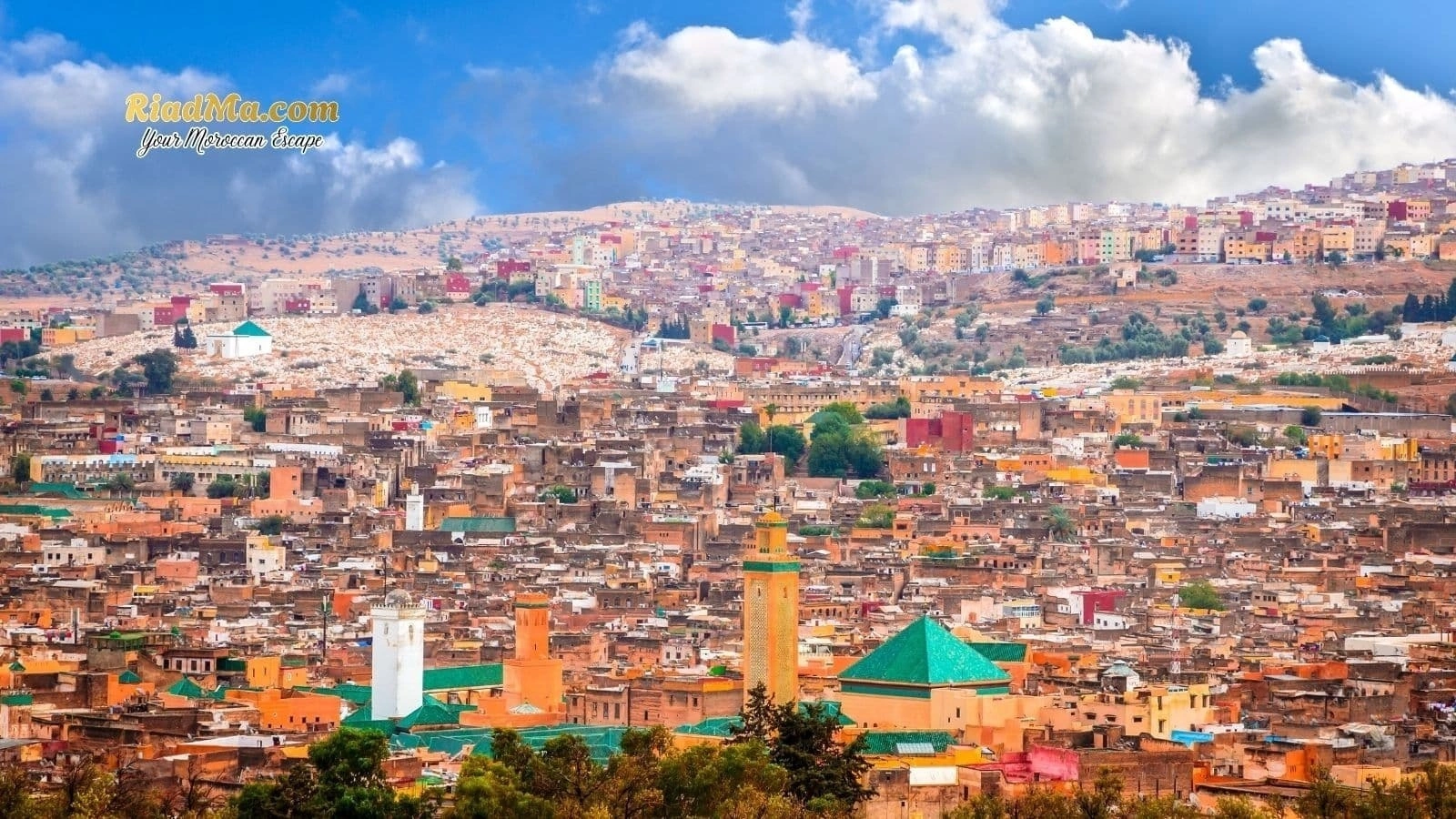
Suggested Route from Fes
- Fes
- Ifrane (known as “Little Switzerland”)
- Azrou (cedar forests)
- Midelt
- Ziz Valley (oasis views)
- Erfoud
- Merzouga
The descent through the Ziz Valley, with its endless palm oasis stretching below, is particularly beautiful in late afternoon light.
Transportation Options: Choosing What Feels Right
There are several ways to reach desert camps from Marrakech or Fes. The right choice depends on your travel style, budget, and desired pace.
1. Private Driver
This is by far the most comfortable and flexible option. A private driver allows you to stop for tea in a small village, photograph a kasbah, or simply pause to breathe in the view.
- Most comfortable option
- Flexible schedule
- Ideal for couples or families
2. Small Group Tour
Group tours are popular and practical. They usually include transportation, one overnight stay en route, and the desert camp experience.
- Cost-effective
- Structured itinerary
- Opportunity to meet other travelers
3. Self-Drive
For confident drivers, renting a car offers independence. Moroccan roads on these routes are generally well maintained, but distances are long and mountain passes require attention.
- Maximum independence
- Requires confidence in mountain driving
- Plan fuel stops carefully
4. Public Transport + Camp Transfer
It is possible to take a bus to Erfoud or Merzouga and arrange a transfer with your camp. This option requires more coordination but is budget-friendly.
The Final Stretch: Entering the Dunes
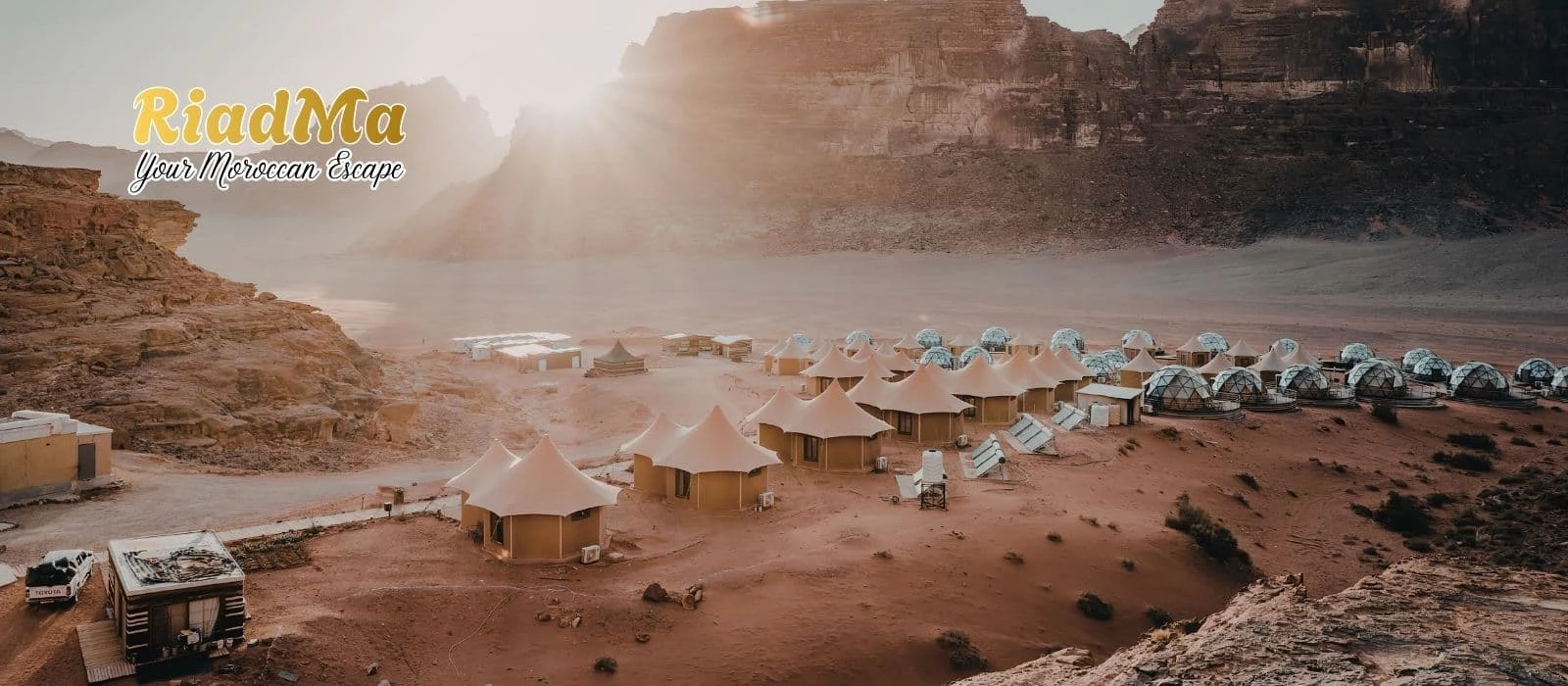
No matter how you travel, the last segment is magical. Vehicles stop at the edge of the dunes. Luggage is transferred into 4x4 vehicles — or strapped gently onto camels.
As the city sounds disappear entirely, the sand absorbs everything. The rhythm of a camel’s slow steps across the dunes feels timeless. The light shifts from gold to rose to violet.
And then — in the distance — canvas tents appear like a mirage.
What Awaits You at the Desert Camp
After the long journey from Marrakech or Fes, stepping into a desert camp feels almost unreal. Lanterns glow softly along sandy paths. Moroccan rugs line the entrance of each tent. A small brass teapot waits on a tray.
Luxury desert camps today combine comfort with authenticity:
- Spacious private tents
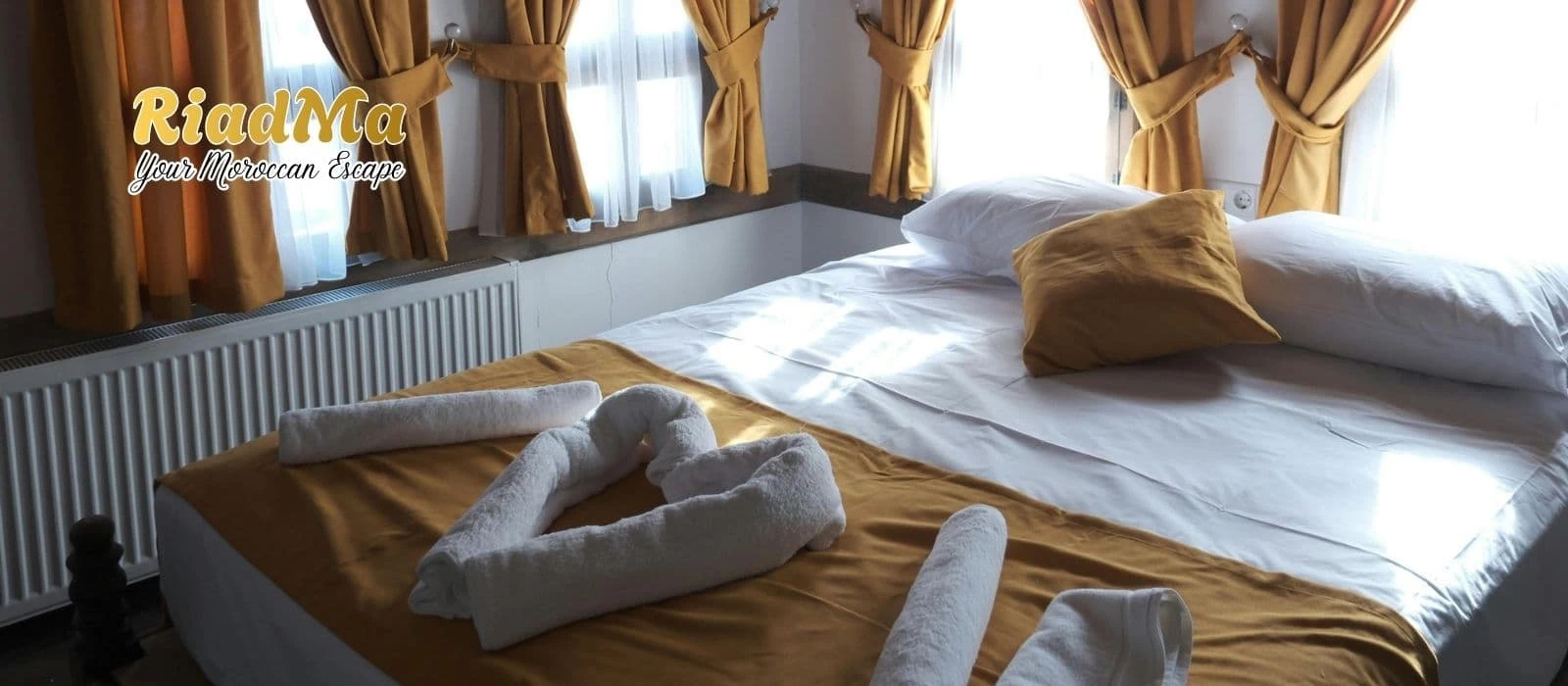
- Real beds with crisp white linens
- En-suite bathrooms in higher-end camps
- Traditional Moroccan dinners under the stars
- Evening music around a fire
The hospitality is quiet and sincere. Mint tea is poured slowly, always with a smile. Staff members often come from nearby villages and share stories of life in the desert. Nothing feels rushed.
Dinner might include:
- Harira soup
- Tagine cooked gently over coals
- Fresh bread baked in sand ovens
- Seasonal fruit
Later, as the fire dims, the sky reveals more stars than most of us have ever seen. It is not dramatic. It is peaceful.
Practical Tips for a Comfortable Journey
1. Do Not Rush
The drive is long. Plan at least two days if possible. The desert is worth arriving to rested.
2. Pack Layers
Days can be warm, but evenings in the desert are cool — especially from October to March.
3. Bring Cash
Remote areas may not accept cards, and small tips are always appreciated.
4. Protect from Sun
- Sunglasses
- Hat or scarf
- Sunscreen
5. Choose the Right Season
Spring (March–May) and autumn (September–November) offer the most pleasant temperatures. Summer can be very hot, while winter nights are cold but beautifully clear.
Why the Journey Matters
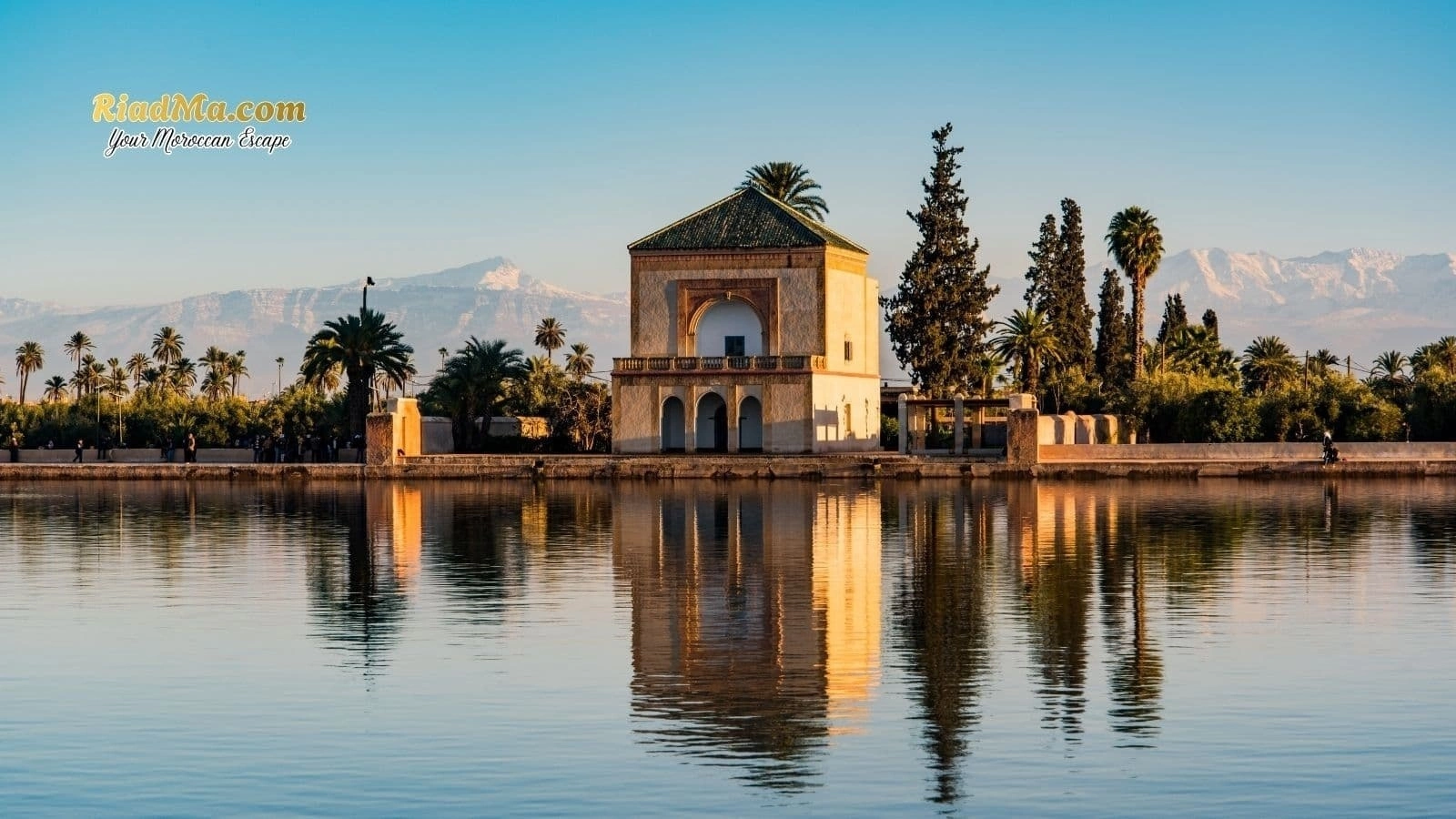
What makes desert camps from Marrakech or Fes so special is not only the dunes — it is the gradual shift from one world into another.
You begin in bustling medinas filled with spices and artisans. You cross mountains where shepherds guide their flocks. You pass valleys carved by ancient rivers. And finally, you arrive at a place where silence feels expansive rather than empty.
The contrast deepens the experience. Without the long road, the desert would not feel as profound.
A Night That Stays With You
When I think back on my own journey, what lingers most is not the distance traveled — but the moment of stillness after arrival. Sitting outside my tent, wrapped in a blanket, listening to nothing but wind brushing over sand.
In that silence, the miles from Marrakech or Fes felt irrelevant. The journey had softened something inside me.
Reaching Morocco’s desert camps takes time and patience. But that is precisely why the experience feels earned — and unforgettable.