Dinner and Berber Music Under the Stars: What to Expect in Morocco Desert Camps❤️
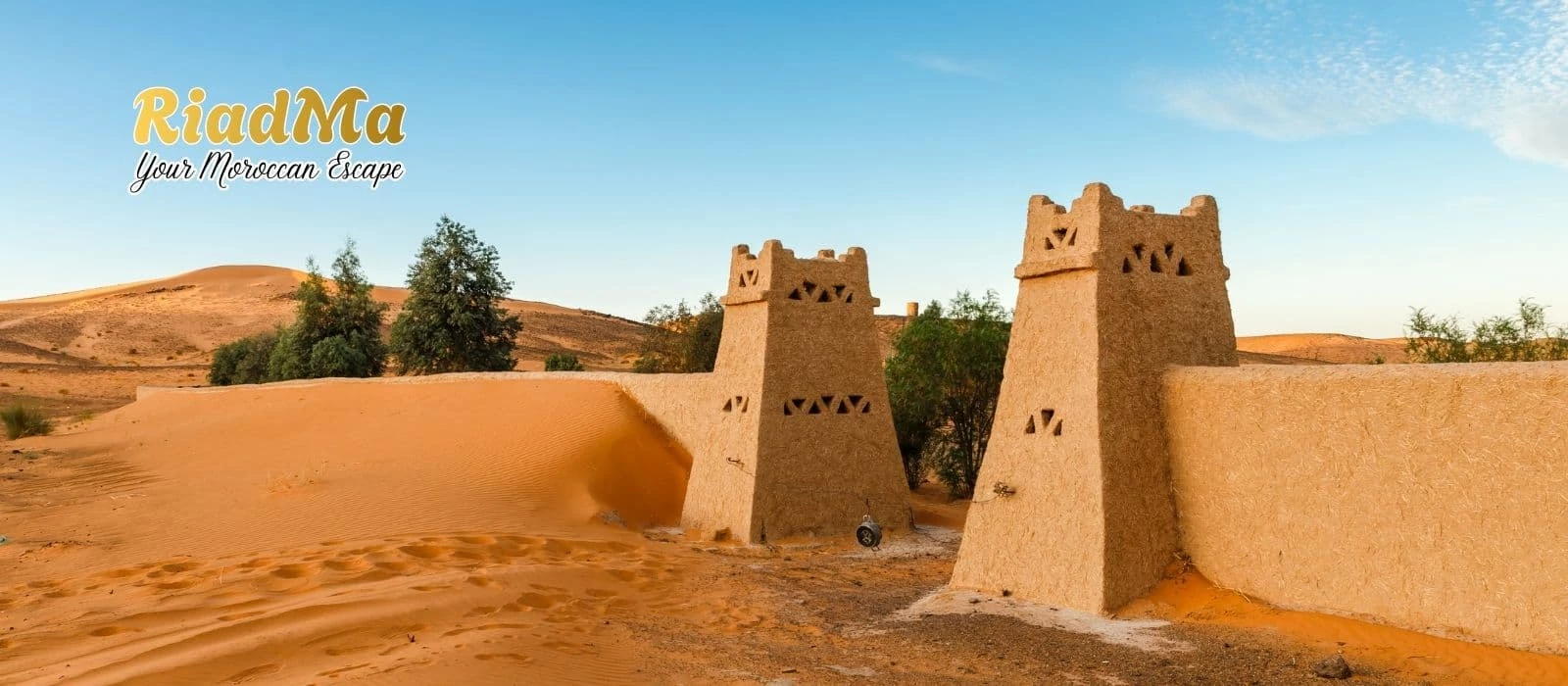
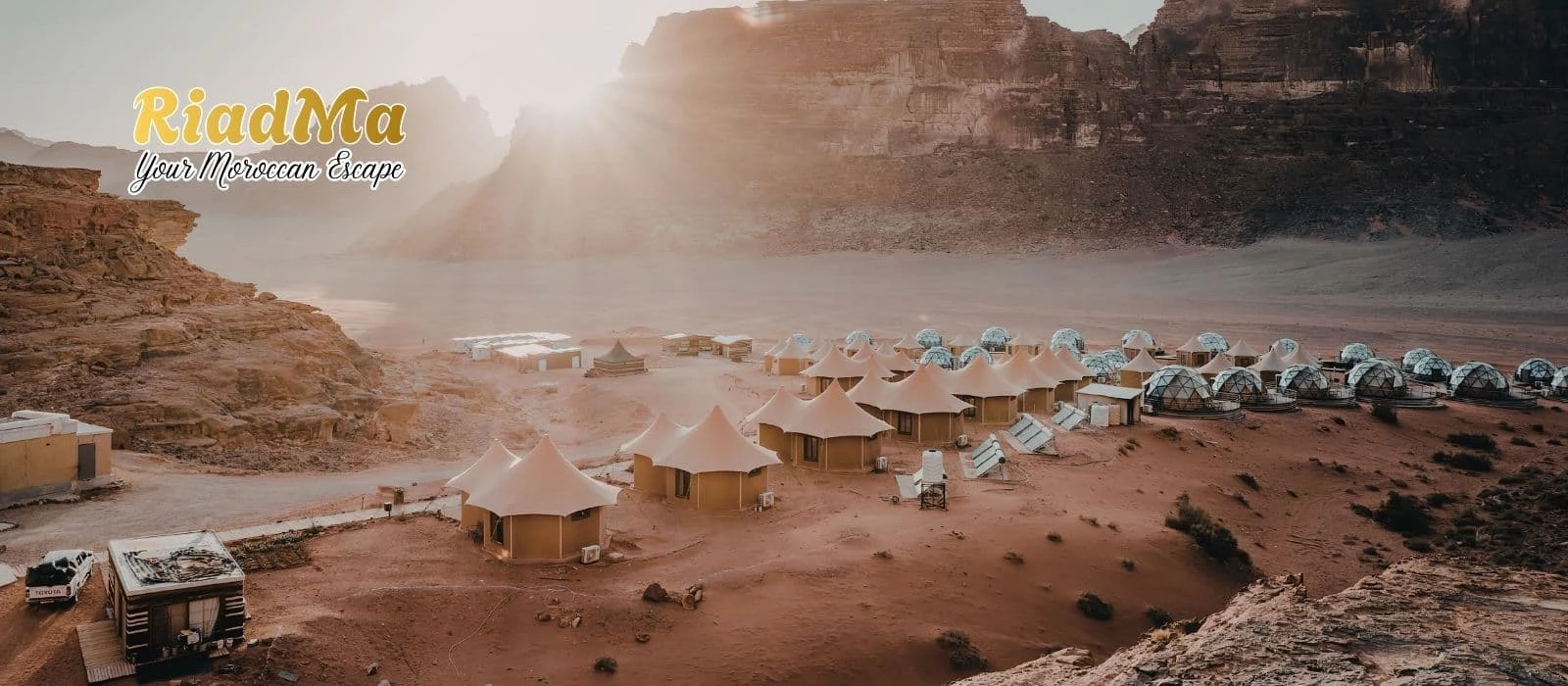
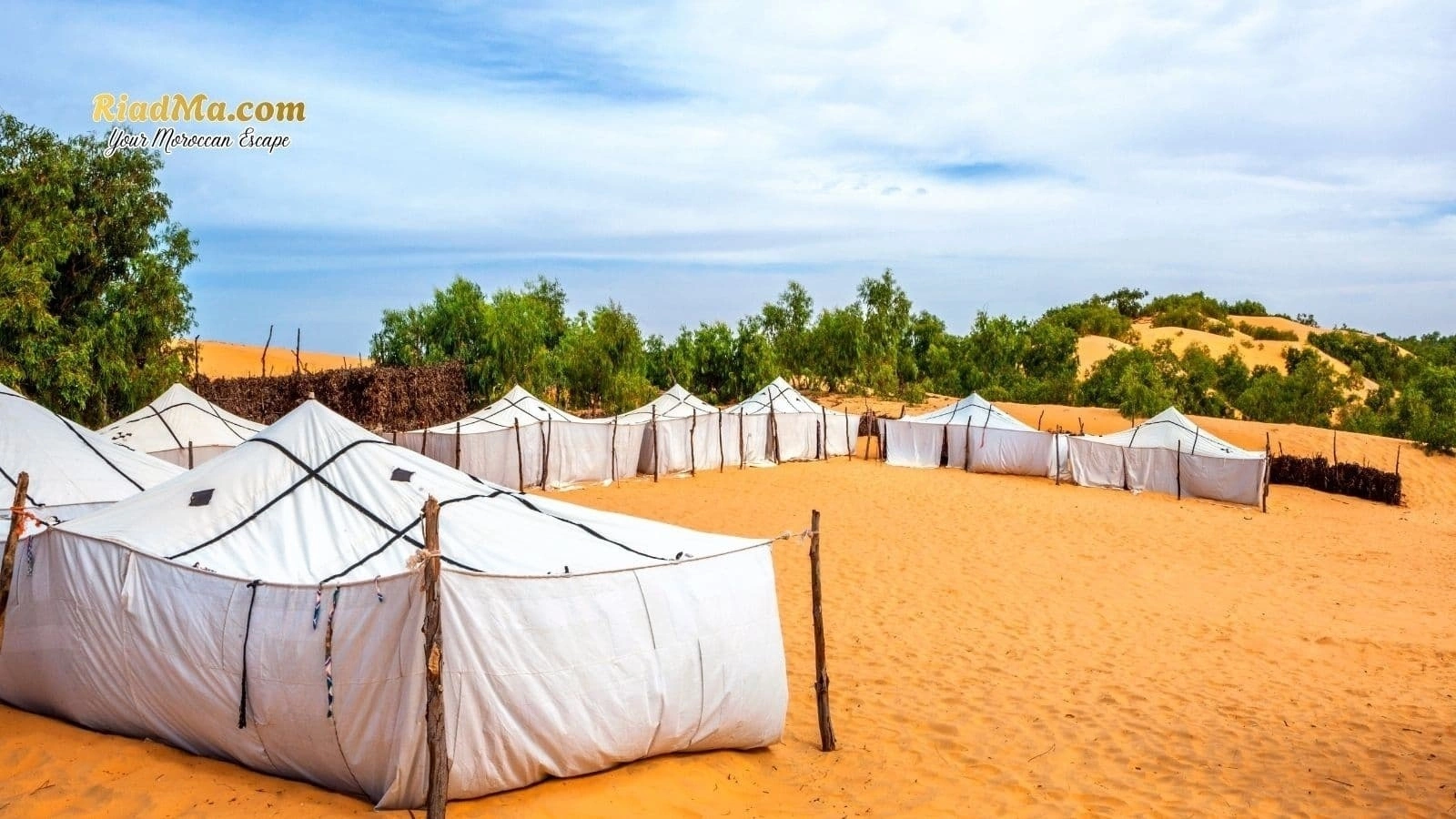
I had arrived earlier that afternoon by camel, swaying gently across the sand as the light softened around us. The camp appeared gradually, its canvas tents rising from the dunes like something imagined rather than built. Lanterns lined a sandy path. A tray of mint tea awaited at the entrance.
But it was the night that truly defined the experience.
The Transition from Riad to Desert
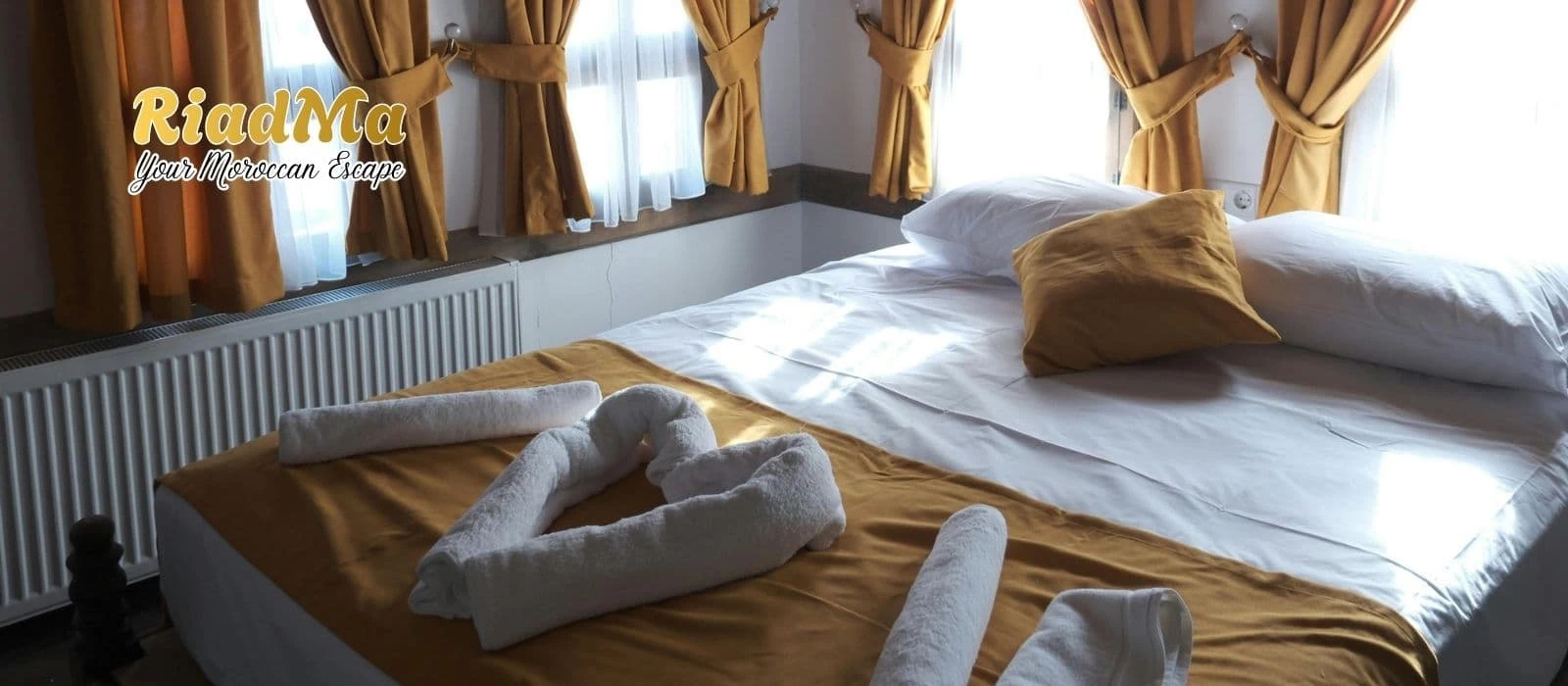
Most journeys to Morocco desert camps begin in a riad — an intimate sanctuary tucked behind carved wooden doors in Marrakech or Fes. I remember waking that morning in a tiled courtyard filled with birdsong and the scent of orange blossom. Breakfast was served on the rooftop terrace: fresh msemen bread, honey, olives, and strong Moroccan coffee.
The contrast between riad and desert is part of the magic. In a riad, the world feels enclosed and ornate. In the Sahara, it opens completely. Yet the hospitality remains constant — warm, attentive, unhurried.
When I arrived at camp, I was welcomed with the same care I had known in the medina. Mint tea poured high into delicate glasses. A gentle “Bienvenue” spoken with sincerity. My luggage carried without ceremony.
Sunset: The Desert’s Quiet Invitation
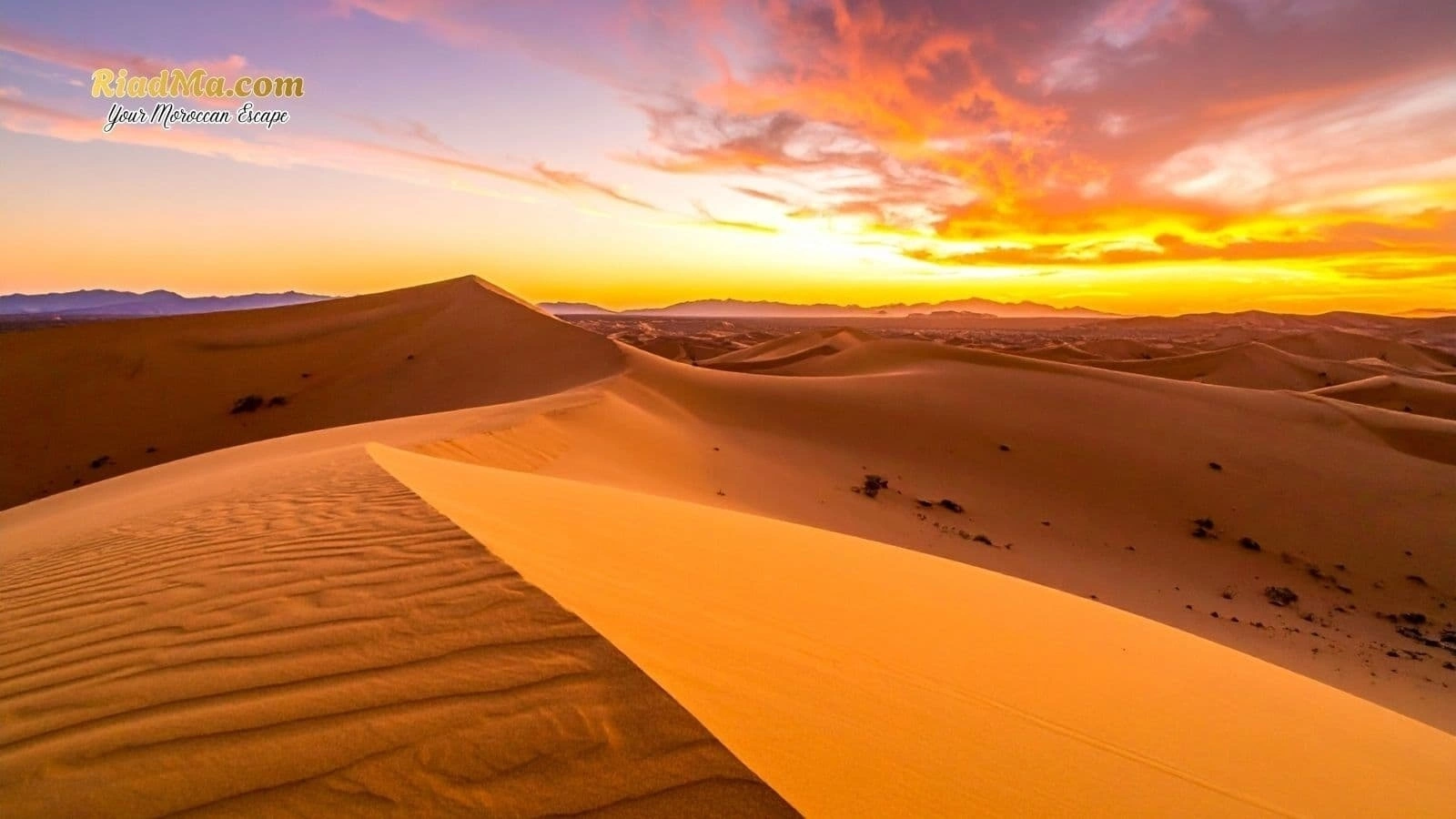
Before dinner, guests often climb the nearest dune to watch the sun descend. It is not a performance — it is a pause.
- The sand shifts from gold to rose
- The sky deepens into lavender and indigo
- The temperature cools noticeably
- The wind softens to almost nothing
From the crest of the dune, the camp below glows faintly with lantern light. There is no traffic, no distant hum of a city. Only space.
It is here that you begin to understand what makes Morocco desert camps so special. The luxury is not loud. It is atmospheric.
Dinner in the Dunes: A Feast of Simplicity
As darkness settles, guests gather in the main tent or beneath an open sky. Rugs are layered over the sand. Low tables are set with woven placemats and brass lanterns. The scent of spices lingers warmly in the air.
Dinner is both generous and deeply traditional. During my stay, the meal unfolded slowly:
- Harira soup with fresh herbs
- A colorful salad of tomatoes, cucumbers, and olives
- Chicken tagine with preserved lemon and olives
- Vegetable couscous steamed to perfection
- Seasonal fruit and Moroccan pastries
- Endless glasses of mint tea
The bread, still warm, is often baked locally. The tagine simmers patiently over charcoal. Nothing feels rushed. There is a rhythm to the service — attentive but never intrusive.
One of the camp hosts explained that many ingredients are sourced from nearby villages. Hospitality here is personal. Staff members often share stories of their families, of life in the desert, of growing up between dunes and oasis towns.
The Music Begins
After dinner, chairs are moved closer to the fire. The night grows colder, and blankets are offered discreetly. Then the first drumbeat begins.
Berber music in Morocco desert camps is not staged as a spectacle. It feels organic — an extension of the evening.
- Traditional drums (bendir)
- Call-and-response singing
- Rhythmic clapping
- Soft laughter and shared smiles
The musicians — often camp staff themselves — sit in a circle around the fire. The rhythm builds gradually, echoing softly across the dunes. Guests are invited to clap along, sometimes to join the circle.
I remember the warmth of the fire against the cool desert air, the glow of embers reflecting in faces, the steady pulse of the drums blending with the vast silence beyond.
It is not about performance. It is about connection.
The Night Sky: The Desert’s Greatest Luxury
As the music fades, many guests drift away quietly to stand alone beneath the sky. In cities, stars compete with electric light. In the Sahara, they dominate.
- Thousands of visible stars
- The Milky Way stretching clearly overhead
- Occasional shooting stars
- Complete and enveloping silence
In that moment, you feel small — but in a comforting way. The immensity is peaceful rather than overwhelming.
I stood barefoot on cool sand, wrapped in a shawl, listening to nothing at all. The experience felt timeless.
Comfort Inside the Tent
Returning to the tent, I was surprised again by the comfort. Many Morocco desert camps combine authenticity with thoughtful design:
- Thick rugs layered over sand
- High-quality mattresses and linens
- Handwoven blankets
- Lantern lighting instead of harsh bulbs
- En-suite bathrooms in luxury camps
The canvas walls move gently with the wind. The silence is profound. Sleep comes easily.
In colder months, hot water bottles are placed discreetly beneath blankets. In warmer seasons, the desert air cools naturally after sunset.
Morning After: A Gentle Awakening
The following morning, before sunrise, I stepped outside my tent. The dunes were pale blue in the early light. There was no music, no fire — only stillness.
Breakfast was served simply but beautifully:
- Fresh bread and pastries
- Local honey and olive oil
- Boiled eggs
- Strong coffee and mint tea
The rhythm of the desert morning feels unhurried. Conversations are softer. Movements slower.
Why These Evenings Stay With You
Many travelers visit Morocco desert camps for adventure — camel rides, dune photography, off-road drives. But what lingers in memory is often the evening.
Dinner and Berber music under the stars transform the desert from landscape into experience. The simplicity heightens every sensation:
- The taste of slow-cooked tagine
- The warmth of shared laughter
- The echo of drums fading into silence
- The vastness of the night sky
There is no extravagance in the traditional sense. Instead, there is presence.
The Spirit of Moroccan Hospitality
What defines Morocco desert camps is not décor alone, nor location alone. It is the spirit of welcome.
Hospitality here is deeply rooted in culture. Tea is poured as a gesture of respect. Food is offered generously. Guests are treated as temporary members of the community.
I felt it when a staff member quietly adjusted the lantern near my table so the wind would not extinguish it. When another offered a second blanket before I even realized I needed one.
Such gestures are subtle. They are not rehearsed. They are genuine.
An Experience That Feels Earned
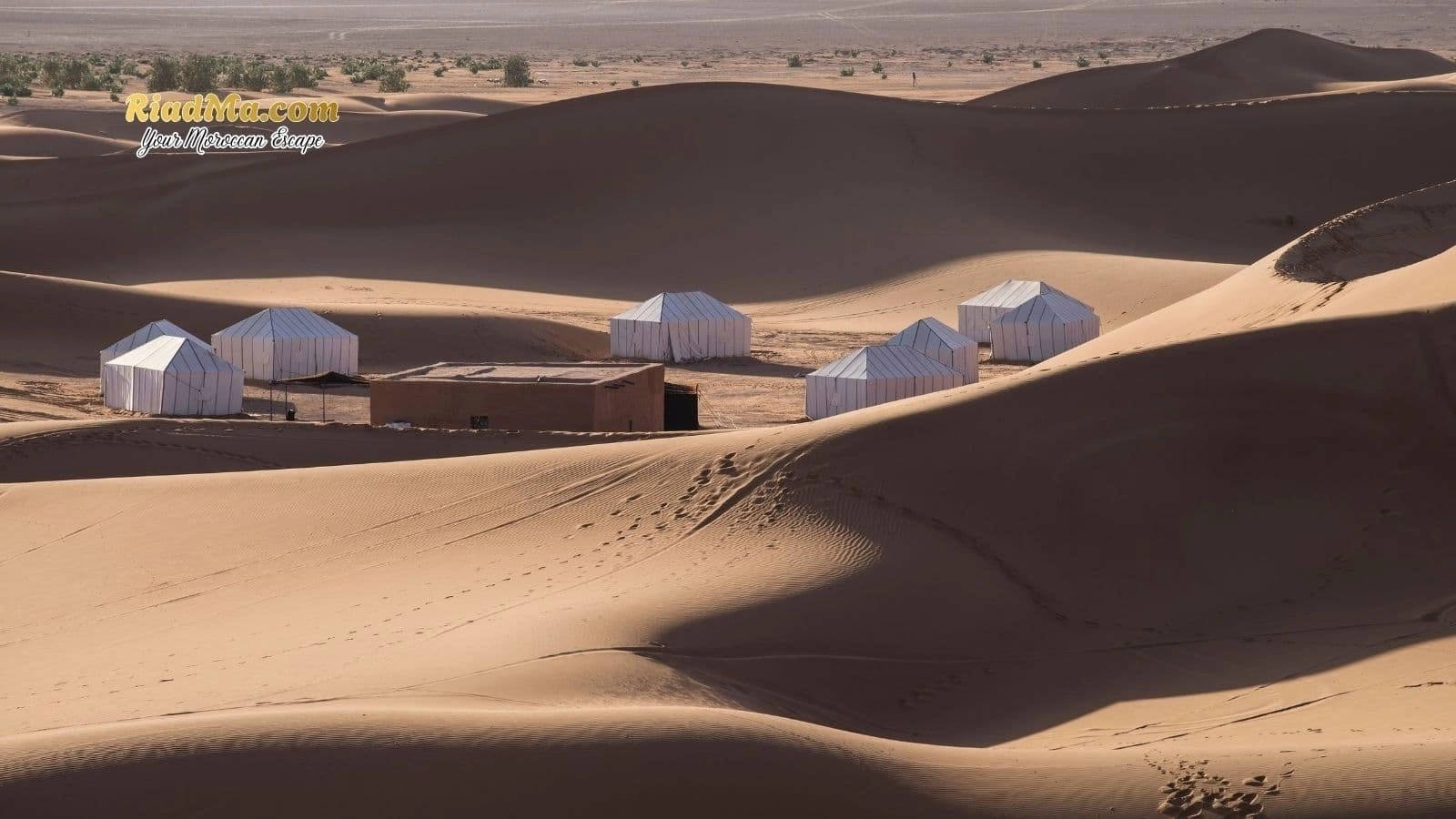
Reaching the Sahara requires effort — long drives across mountains or valleys. Perhaps that is why the evening feels earned.
When the fire crackles and the drums begin, you are far from traffic, screens, and noise. The world feels reduced to essentials: warmth, food, rhythm, sky.
It is a reminder that comfort does not require excess.
A Night You Carry Home
Long after leaving the dunes, I still remember that first drumbeat echoing across the sand. I remember the taste of mint tea, the scent of wood smoke, the quiet laughter shared among strangers who felt briefly like friends.
Morocco desert camps offer more than accommodation. They offer atmosphere. Presence. Connection.
And beneath a sky filled with stars, around a simple fire in the heart of the Sahara, you understand that some experiences cannot be replicated — only lived.