Ultimate Morocco Travel Guide for First-Time Visitors❤️
If you are planning your first journey to Morocco, you are about to experience one of the most layered, surprising, and emotionally rich destinations in the world. I have guided travelers through Morocco’s cities, deserts, mountains, and coastal towns for years, and I can say with confidence that no two visits ever feel the same. This Morocco travel guide is written to help you arrive prepared, confident, and curious — not overwhelmed.
Morocco rewards travelers who understand its rhythm. It is not a place to rush, compare, or simplify. It is a country that reveals itself slowly, through conversations, shared meals, unexpected detours, and moments that cannot be pinned on a map.
Why Morocco Feels Different from Other Destinations
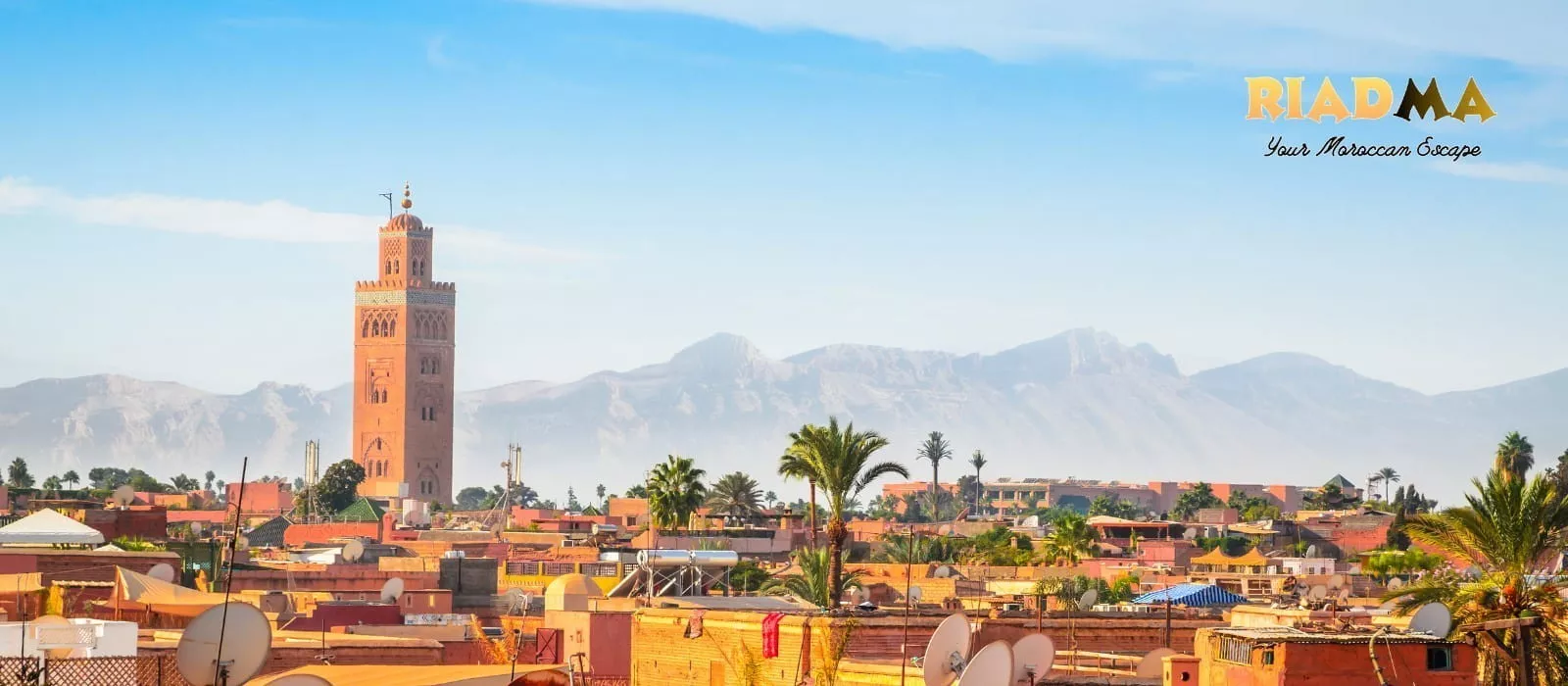
Morocco sits at a cultural crossroads. Arab, Amazigh (Berber), African, and European influences coexist in daily life. One hour you may be wandering through a medieval medina where donkeys still carry goods, and the next you are sipping coffee in a modern art café.
For first time in Morocco travelers, this contrast can feel intense at first. Sounds are louder, bargaining is normal, and time moves differently. But once you stop resisting the differences and start observing them, Morocco becomes deeply welcoming.
When Is the Best Time to Visit Morocco?
Timing matters in Morocco more than many travelers realize.
Spring (March to May)
This is one of the best seasons to visit. The weather is mild, landscapes are green, and cities are comfortable for walking. It is ideal for sightseeing, desert trips, and mountain regions.
Autumn (September to November)
Another excellent period. The heat softens after summer, the Sahara becomes accessible again, and crowds are lighter than in spring.
Summer (June to August)
Summer can be challenging, especially inland. Cities like Marrakech and Fes become extremely hot. Coastal towns such as Essaouira or Tangier are better choices during this season.
Winter (December to February)
Winters are mild in cities but cold in the Atlas Mountains and desert nights. If you plan a Sahara trip, warm clothing is essential.
Getting Around Morocco: What Actually Works
Transportation in Morocco is easier than many expect, but knowing your options makes a big difference.
Trains
Morocco’s train system is reliable, affordable, and comfortable. It connects major cities like Casablanca, Rabat, Tangier, Fes, and Marrakech. For first-time visitors, trains are often the easiest way to move between cities.
Buses
Long-distance buses cover nearly every corner of the country. Some companies are very comfortable, others less so. Always book with reputable operators and expect longer travel times than Google Maps suggests.
Private Drivers
For remote areas, desert routes, or custom itineraries, hiring a driver is common and often worth the cost. Local drivers know roads, weather conditions, and unmarked stops you would never find online.
Within Cities
Taxis are widely available, but always agree on the price before starting the ride if there is no meter. Walking is often the best way to explore medinas — just accept that you will get lost, and that this is part of the experience.
Is Morocco Safe for Travelers?
This is one of the most common questions I hear. The short answer is yes. Is Morocco safe? For tourists, Morocco is generally very safe, including for solo travelers and families.
However, safety in Morocco relies on awareness, not fear. Petty scams, overpricing, and aggressive sales tactics exist, especially in tourist-heavy areas. Violent crime against tourists is rare.
Dress modestly, especially outside major cities. Avoid empty streets late at night. Trust your instincts, and politely but firmly say no when needed.
Cultural Tips Every Visitor Should Know
Understanding a few cultural basics will transform your trip.
Hospitality Is Real
If someone offers you tea, it is often genuine hospitality, not a sales tactic. Sharing tea is an important social ritual in Morocco.
Religion Shapes Daily Life
Islam influences schedules, meals, and public behavior. During Ramadan, eating in public during daylight hours should be done discreetly.
Personal Space and Communication
Moroccans may stand closer during conversations and use expressive gestures. This is normal and friendly, not intrusive.
Do’s and Don’ts in Morocco
Do
- Learn a few words of Arabic or French — even simple greetings go a long way
- Bargain respectfully in souks; it is expected, not rude
- Ask permission before photographing people
- Dress modestly, especially in smaller towns
Don’t
- Assume all friendliness hides a scam
- Rush conversations or meals
- Compare Morocco loudly to your home country
- Enter mosques unless explicitly allowed
What to Expect from Moroccan Food
Moroccan cuisine is comforting, slow-cooked, and deeply regional. Meals are meant to be shared.
Tajines change flavor from city to city. Couscous is traditionally eaten on Fridays. Street food can be excellent, but follow local crowds and avoid places that feel empty.
Tap water is not recommended for drinking. Bottled water is widely available and inexpensive.
A Realistic Morocco Itinerary for First-Time Visitors
A well-paced Morocco itinerary balances cities and landscapes.
7–10 Days
- Casablanca (arrival)
- Rabat or Fes for history
- Marrakech for culture and energy
- Essaouira or the Atlas Mountains for relaxation
10–14 Days
Add a Sahara Desert experience and smaller towns like Ait Ben Haddou or Chefchaouen.
Do not try to see everything. Morocco rewards depth over speed.
Things Google Maps Won’t Tell You
Distances look short but take longer than expected. Roads can be slow, scenic, and unpredictable.
Many of the best experiences are unplanned: a bakery visit at dawn, a conversation with a shop owner, or a detour suggested by a local.
Silence in the desert and noise in the medina are equally important parts of Morocco.
Final Thoughts: Traveling Morocco with Confidence
This Morocco travel guide is not about checking boxes or chasing highlights. It is about understanding where you are, slowing down, and letting Morocco meet you halfway.
For first-time visitors, Morocco may feel intense at first, but that intensity is exactly what makes it unforgettable. Travel with patience, curiosity, and respect, and Morocco will offer you stories that stay long after you return home.