Moroccan Tea, Spices and Sweets: A Beginner’s Guide❤️
The first thing Morocco offers is not a monument or a meal. It is a glass of tea. Before questions, before names, before directions, there is tea — steaming, fragrant, poured with care. Moroccan food culture begins here, in this quiet ritual that opens every door.
This guide is written from tables both humble and ornate, from street corners scented with toasted sesame to family living rooms where time bends around conversation. To understand Moroccan mint tea, spices, and sweets is to understand how Moroccans welcome, celebrate, and remember.
Moroccan Mint Tea: More Than a Drink
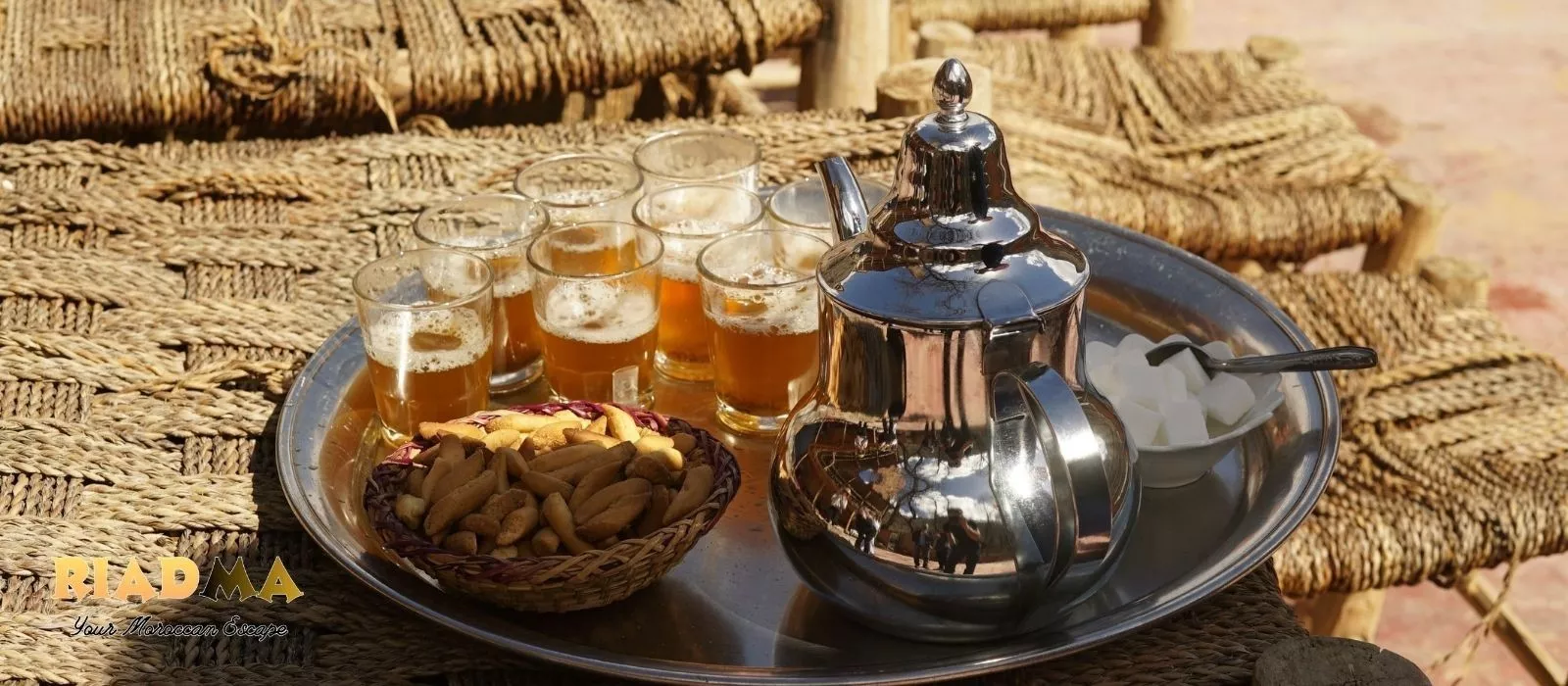
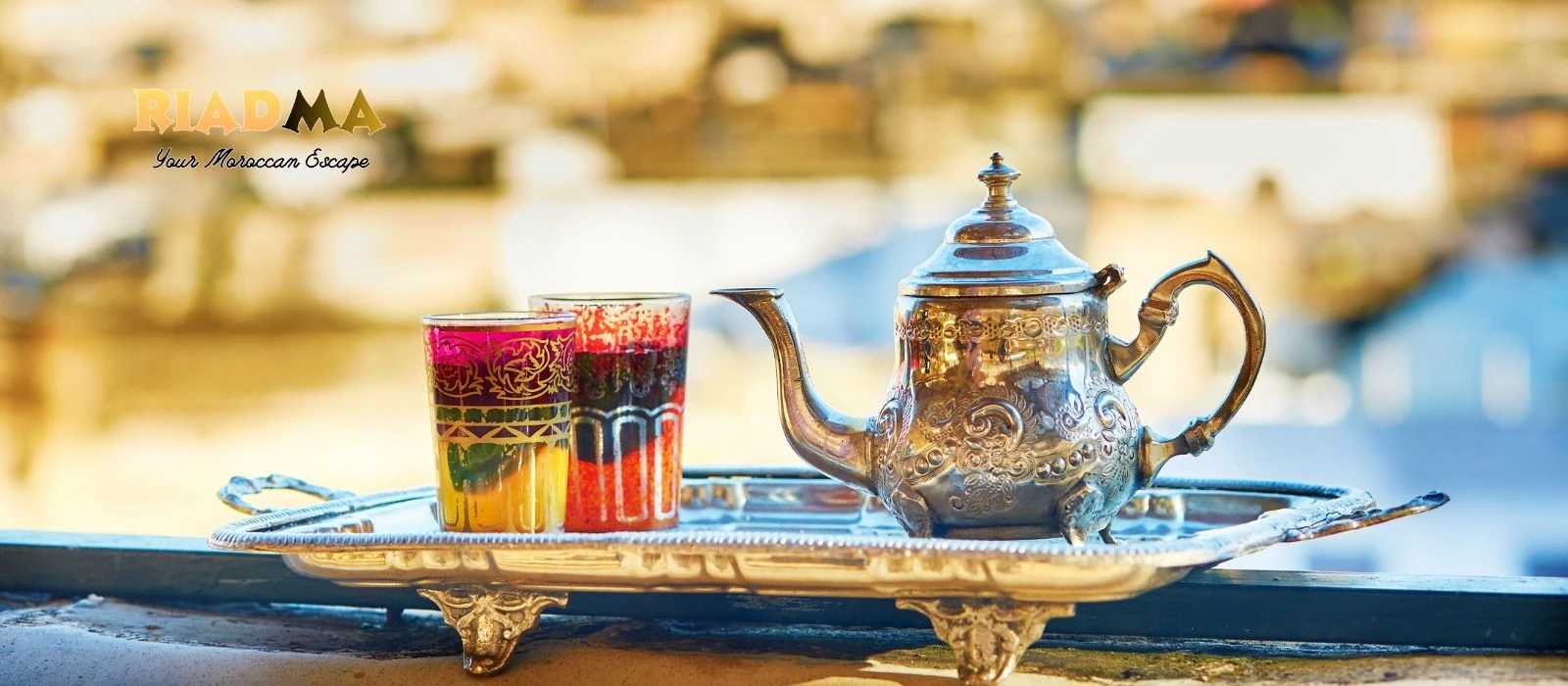
Moroccan mint tea is not consumed. It is shared. Known simply as atay, it marks beginnings and endings, agreements and pauses.
Green tea leaves are brewed strong, fresh mint is added generously, and sugar is poured with confidence. The balance is precise — never bitter, never cloying. When poured from high above the glass, the tea foams gently, releasing its aroma.
This act of pouring is deliberate. It cools the tea, blends the flavors, and signals care. To be offered tea is to be acknowledged.
The Ritual of Tea
Moroccan tea culture follows a rhythm learned early. One person prepares the tea; others wait. Conversation slows. The first glass is often the strongest.
Tea is served:
- To welcome guests
- To seal friendships
- After meals, never before
- During negotiations and celebrations
Refusing tea is rare. Accepting it is a gesture of respect.
Moroccan Spices: A Language of Flavor
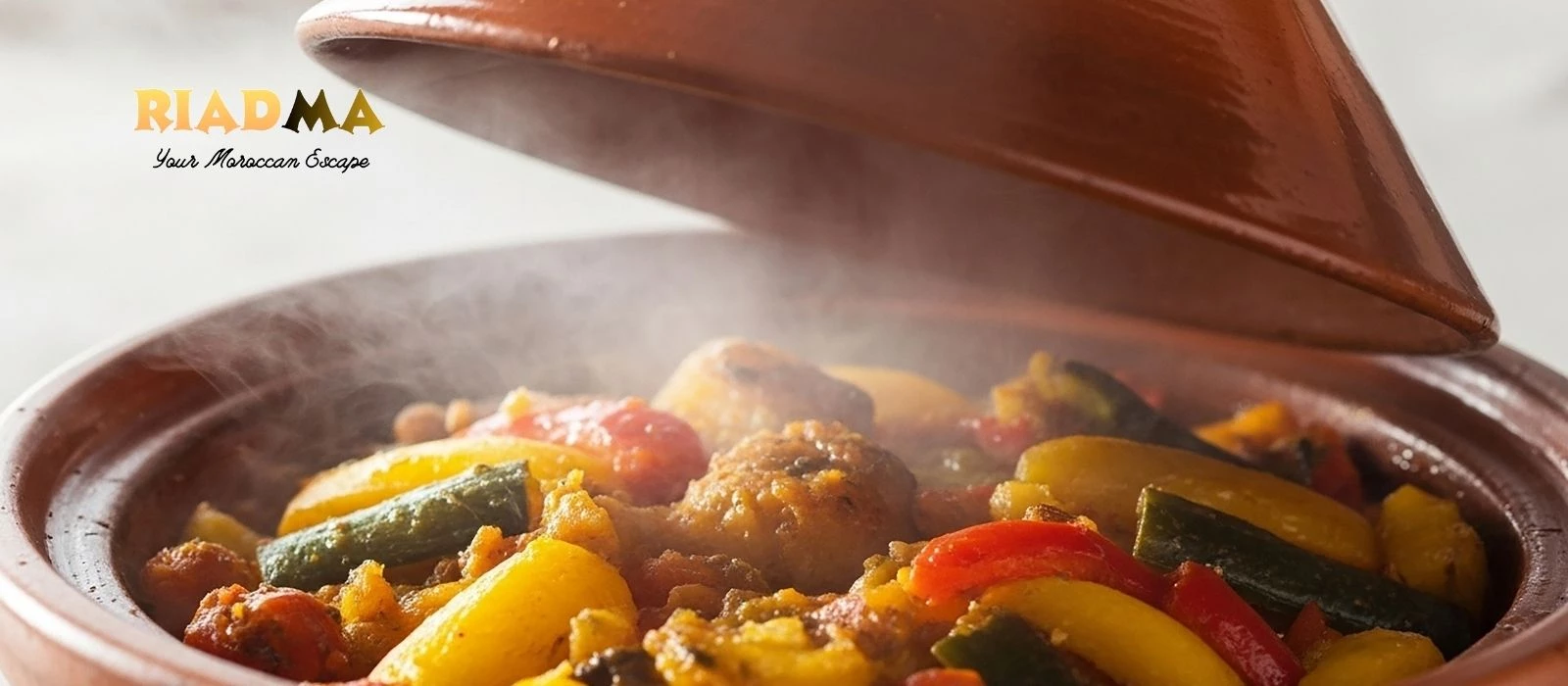
If tea is Morocco’s greeting, spices are its voice. They do not shout. They whisper, layer by layer, building warmth and depth.
A proper moroccan spices guide begins not with heat, but with harmony. Moroccan cooking favors balance over intensity.
Essential Moroccan Spices
- Cumin – earthy and grounding, often sprinkled at the table
- Paprika – sweet and warm, not smoky
- Ginger – subtle heat that lingers gently
- Turmeric – golden, earthy, comforting
- Cinnamon – used in both savory and sweet dishes
- Saffron – precious, floral, restrained
Spices are often bloomed in oil, coaxed into sauces slowly. They are never rushed.
Ras el Hanout: The Spice Blend of Identity
Ras el hanout means “head of the shop.” It is the best a spice seller has to offer.
No two blends are the same. Some contain a dozen spices, others more than thirty. Each blend reflects a family, a region, a hand.
Used sparingly, ras el hanout gives dishes depth without revealing its secrets. It is Morocco’s signature, never explained fully.
Spices in Daily Life
In Morocco, spices are not decorative. They are functional.
Cumin aids digestion. Ginger warms the body. Cinnamon comforts. Food is seasoned not only for taste, but for balance.
This is why Moroccan food feels nourishing even when rich.
Moroccan Desserts: Sweetness with Restraint
Moroccan desserts are not heavy finales. They are gentle conclusions.
Sweetness here is balanced by nuts, sesame, honey, and orange blossom water. Sugar never overwhelms.
Chebakia: Honey and Celebration
Chebakia is shaped like a flower, fried, then soaked in honey and sesame seeds. It appears most often during Ramadan, served alongside harira soup.
Sticky, fragrant, and floral, it tastes of patience and tradition.
Gazelle Horns (Kaab el Ghazal)
Delicate pastries filled with almond paste and scented with orange blossom water.
They are soft, subtle, and elegant — sweets made to be eaten slowly, often with tea.
Briouats: Crisp and Tender
Almond-filled briouats are wrapped in thin pastry and fried until golden, then glazed lightly with honey.
The contrast between crisp exterior and tender filling defines Moroccan pastry craft.
Street Sweets and Simple Pleasures
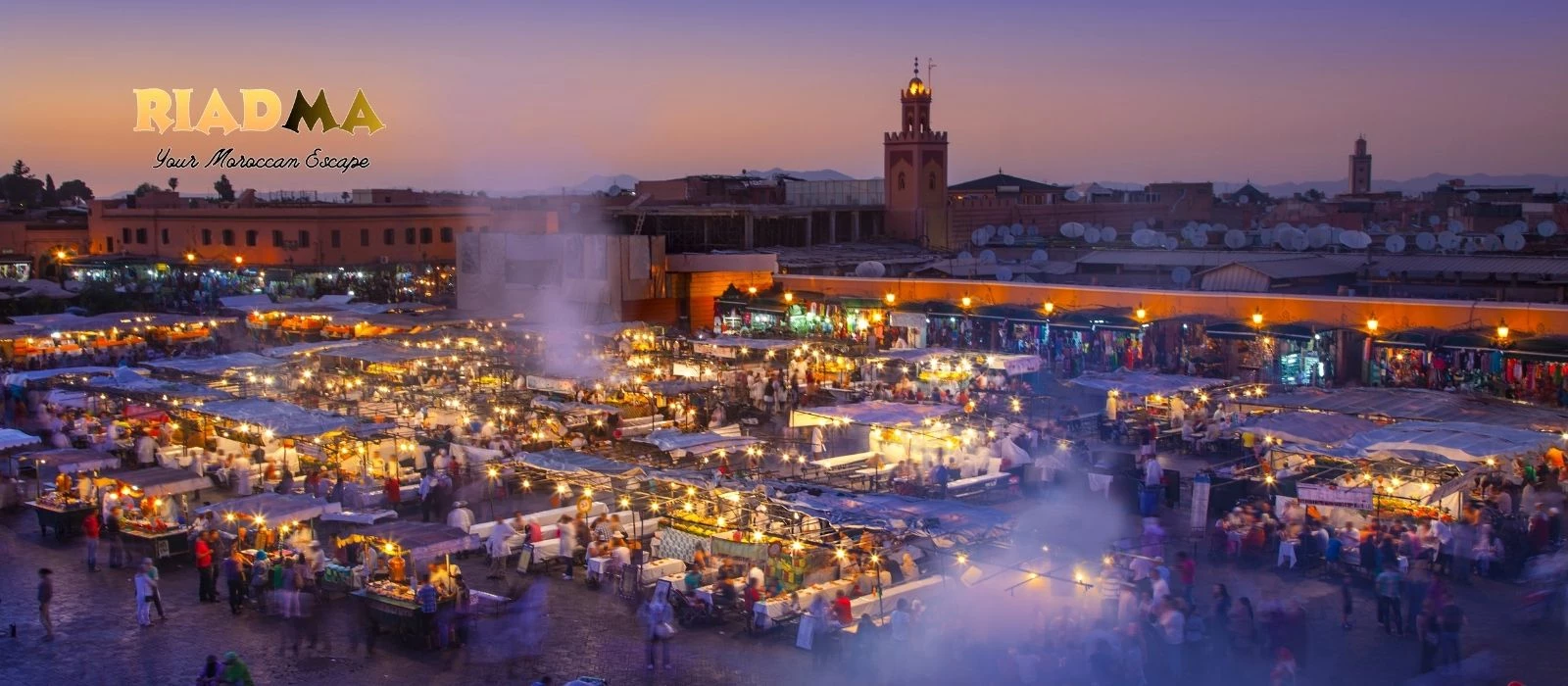
Not all moroccan pastries live behind glass. Some are sold warm, wrapped in paper, eaten while walking.
In markets, you’ll find:
- Sfenj – airy, irregular doughnuts
- Sesame biscuits baked fresh
- Peanut and date confections
These sweets are informal, unpretentious, deeply loved.
Sweets and Hospitality
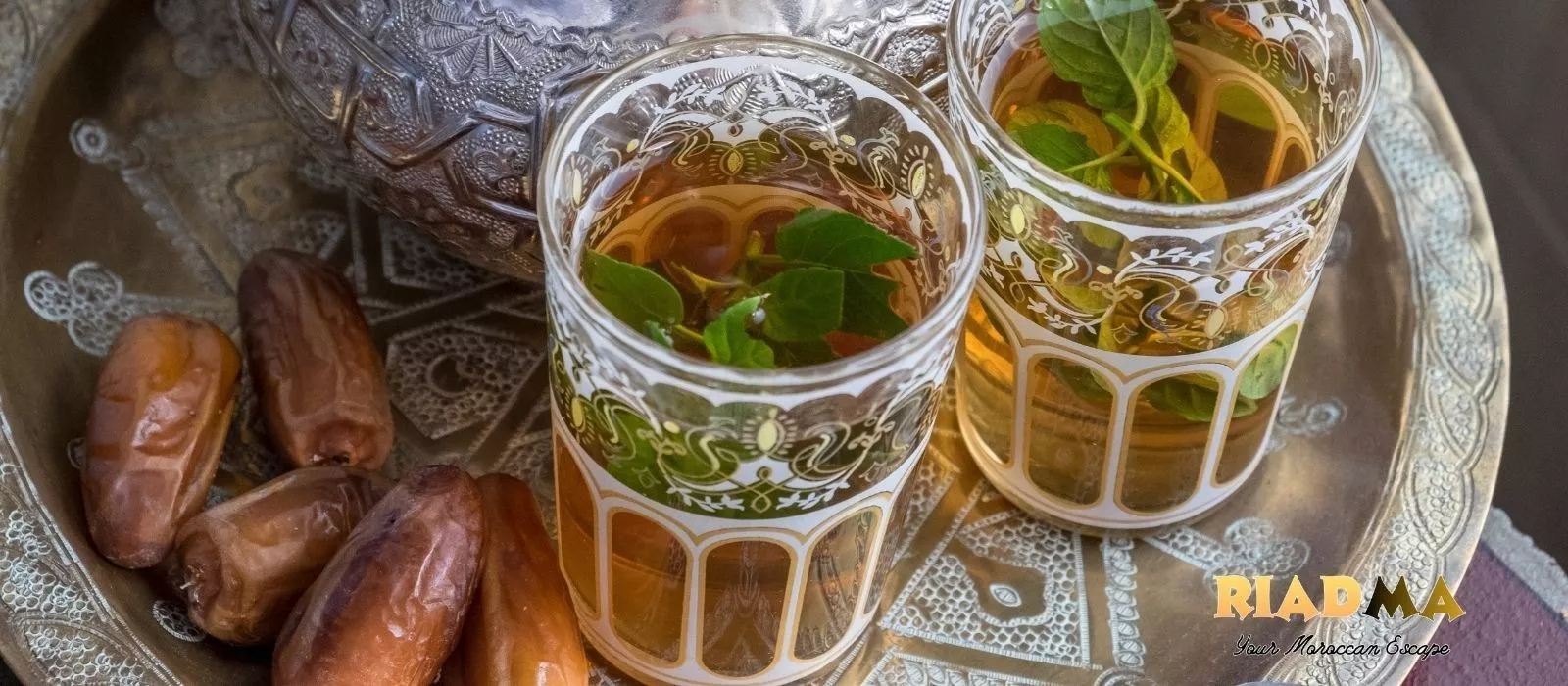
Sweets are rarely eaten alone. They accompany conversation.
When guests arrive, plates appear — sometimes elaborate, sometimes modest. What matters is the gesture.
To offer sweets is to say: stay a little longer.
Tea and Sweets: An Unwritten Pairing
Moroccan mint tea is designed to meet sweetness. The bitterness of green tea balances honey and almond.
This pairing is intentional. One without the other feels unfinished.
Family Traditions and Home Kitchens
In family homes, tea preparation is often learned by watching. Children observe, then try.
Sweets are made together before holidays. Almonds are ground by hand. Dough is shaped carefully.
These moments matter as much as the final dish.
Moroccan Tea Culture Across Regions
While mint tea is universal, variations exist.
In the south, tea may be stronger, sweeter. In the north, herbs change with the season. In the desert, tea is poured slowly, ceremonially, three times.
Each glass tells a place.
Why Moroccan Flavors Linger
- They are layered, not loud
- They are tied to ritual
- They engage all senses
- They are shared, not consumed alone
A Beginner’s Truth
To explore Moroccan tea culture, spices, and sweets is not to memorize ingredients. It is to pay attention.
Notice how tea is poured. How sweets are offered. How spices are used with restraint.
Morocco does not rush flavor. It invites it.
Final Sip
You may forget the name of a pastry. You may struggle to identify a spice.
But you will remember the warmth of a glass in your hands, the scent of mint rising with steam, the quiet generosity of a table that had room for you.
That is the true taste of Morocco.