Traditional Moroccan Food: 15 Dishes Every Traveler Should Try❤️
To understand Morocco, you don’t start with monuments or maps. You start at the table. Moroccan food is not just nourishment; it is memory, ritual, patience, and pride passed from one generation to another. Every dish carries a story, every spice blend whispers of caravans, oceans, mountains, and family kitchens where time slows down.
This journey through traditional Moroccan food is written as someone who has eaten with their hands from a shared plate, waited patiently while couscous steamed, and listened to stories told between bites. If you’re wondering what to eat in Morocco, these are not just dishes — they are experiences.
1. Tagine – The Heart of Moroccan Cuisine
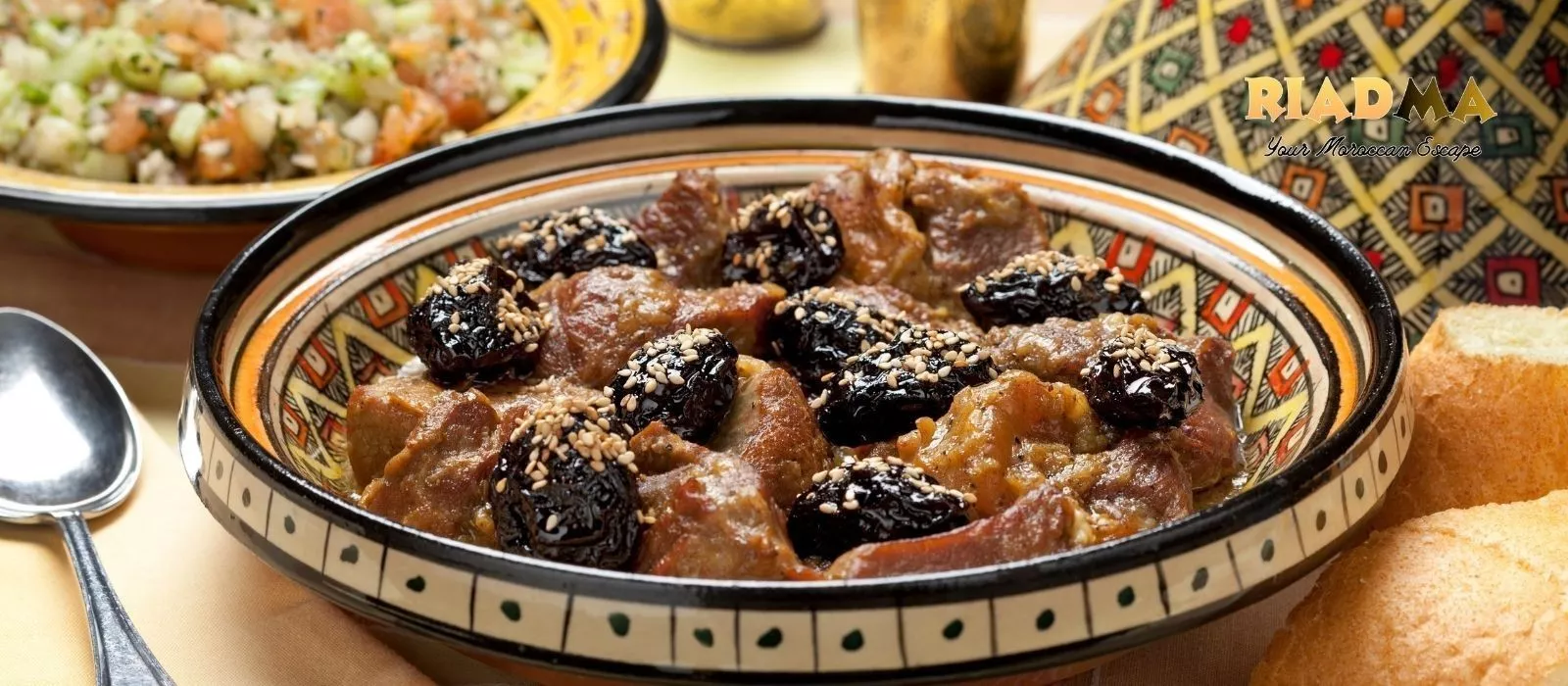
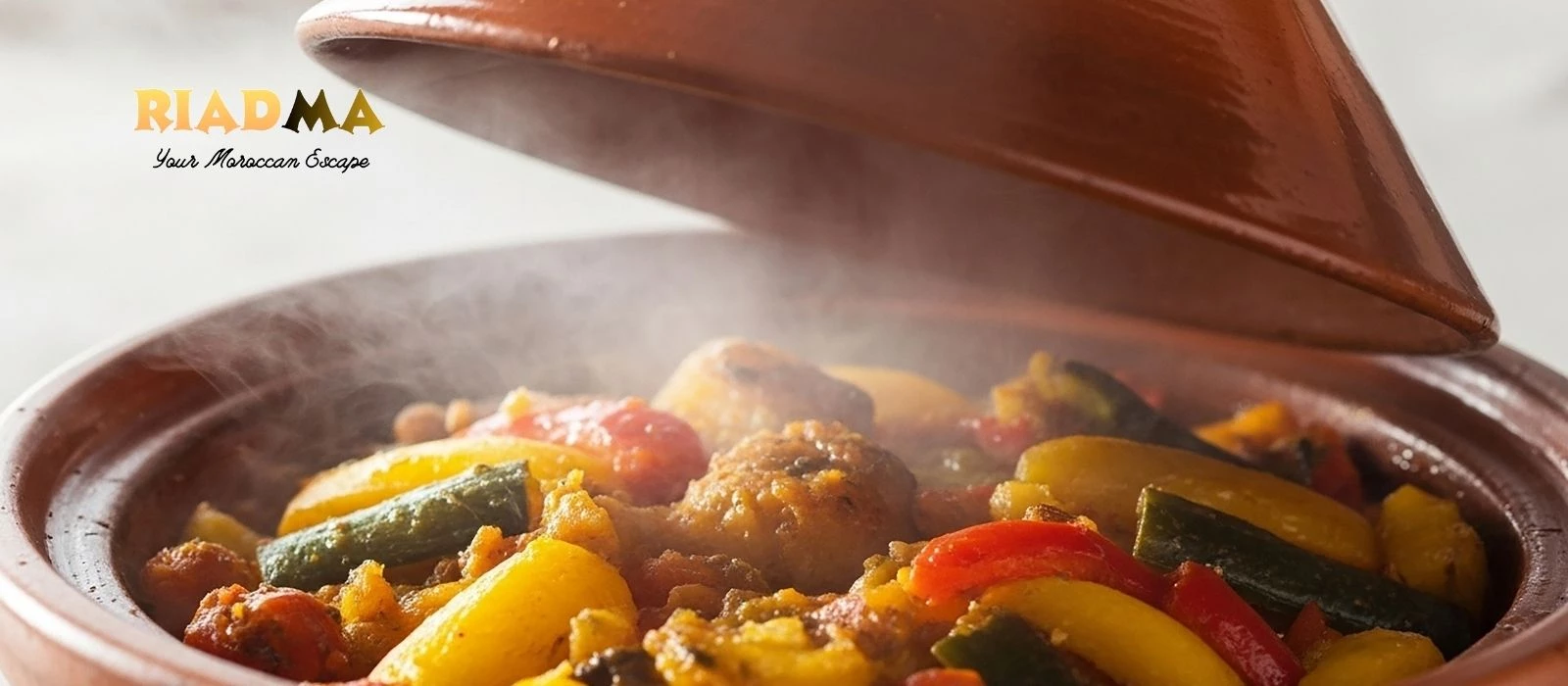
The tagine is more than a dish; it is a method, a philosophy of slow cooking and shared eating. Named after the clay pot with its iconic conical lid, tagine simmers gently, allowing flavors to deepen rather than rush.
A chicken tagine with preserved lemon and olives tastes bright, salty, and comforting at once. Lamb with prunes carries sweetness balanced by warm spices like cinnamon and ginger. Vegetables cooked in a tagine absorb cumin, paprika, and olive oil until they melt into one another.
Tagine is eaten slowly, often communally, with bread used instead of utensils. It teaches you patience and generosity.
2. Couscous – A Ritual, Not a Recipe
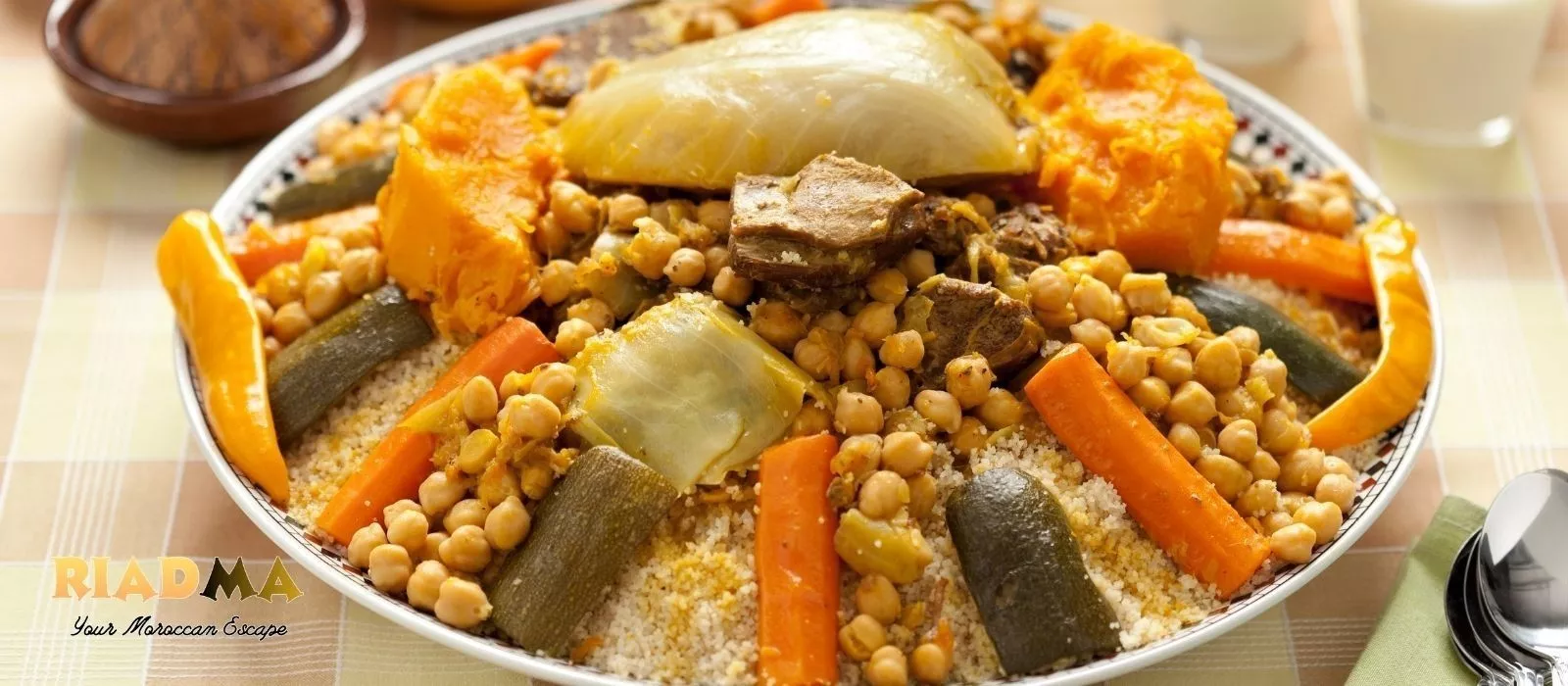
Couscous is traditionally served on Fridays, after midday prayers, bringing families together. The grains are steamed multiple times by hand, never boiled, resulting in something impossibly light.
On top sit tender vegetables — pumpkin, carrots, zucchini, chickpeas — and meat simmered in a fragrant broth. The final ladle of sauce poured at the table is almost ceremonial.
Eating couscous in Morocco is not about speed. It’s about sitting, talking, and being present.
3. Pastilla – Sweet, Savory, and Celebratory
Pastilla is a dish reserved for moments that matter. Weddings, celebrations, honored guests. Thin layers of crisp pastry hide a filling of slow-cooked chicken or pigeon, almonds, cinnamon, and eggs.
The top is dusted with powdered sugar and cinnamon — surprising at first, unforgettable after. Each bite moves between crunchy, tender, sweet, and savory. It reflects Morocco itself: layered, complex, and elegant.
4. Harira – Soup with a Soul
Harira is the soup that breaks the fast during Ramadan, but it is eaten year-round. Thick with lentils, chickpeas, tomatoes, herbs, and sometimes meat, it is deeply comforting.
Served hot, often with dates or chebakia, harira tastes like care. It’s the kind of soup that feels like someone made sure you were warm.
5. Mechoui – Slow-Roasted Celebration Lamb
Mechoui is lamb roasted slowly until the meat pulls away with fingers alone. Traditionally cooked in underground ovens or large communal hearths, it is seasoned simply with salt and cumin.
This dish is about purity. No heavy spices, just the deep flavor of meat cooked with respect and time. Eating mechoui standing around the butcher’s counter is one of the most authentic food experiences in Morocco.
6. Khobz – The Bread That Connects Everything
No meal exists without khobz. This round, rustic bread is baked daily and used to scoop, dip, and share.
Breaking bread in Morocco is symbolic. It means trust, welcome, and equality. Everyone eats from the same plate, from the same bread.
7. Zaalouk – The Taste of Moroccan Home Cooking
Zaalouk is a warm salad of eggplant and tomatoes, mashed and infused with garlic, cumin, and olive oil.
It’s humble, deeply flavorful, and almost always homemade. Served as a starter, it prepares the palate and the heart for what’s coming.
8. Taktouka – Simplicity with Fire
Taktouka combines roasted peppers and tomatoes, chopped finely and cooked down with garlic and spices.
Smoky, slightly spicy, and bright, it tastes like summer evenings and shared tables. It’s often served at room temperature, inviting slow bites.
9. Sardines – Morocco’s Coastal Treasure
Along the Atlantic coast, sardines are a way of life. Grilled, fried, or stuffed with chermoula, they are fresh, affordable, and full of flavor.
Eating sardines straight from a street grill, hands oily, air salty, is one of the purest pleasures in Morocco.
10. Chermoula – The Flavor Behind the Flavor
Chermoula is not a dish but a marinade — a blend of garlic, cilantro, parsley, cumin, paprika, lemon, and olive oil.
It’s used on fish, vegetables, and sometimes meat. Every family has its own version, passed down quietly.
11. Bissara – Warmth in a Bowl
Bissara is a thick soup made from dried fava beans, olive oil, and cumin. Often eaten for breakfast in colder regions, it is simple and deeply nourishing.
It tastes of early mornings, modest kitchens, and quiet strength.
12. Rfissa – Food with Meaning
Rfissa is traditionally served to women after childbirth. Made with shredded msemen bread, chicken, lentils, and fenugreek, it is believed to restore strength.
Eating rfissa is an act of care, a reminder that food in Morocco is deeply connected to life stages.
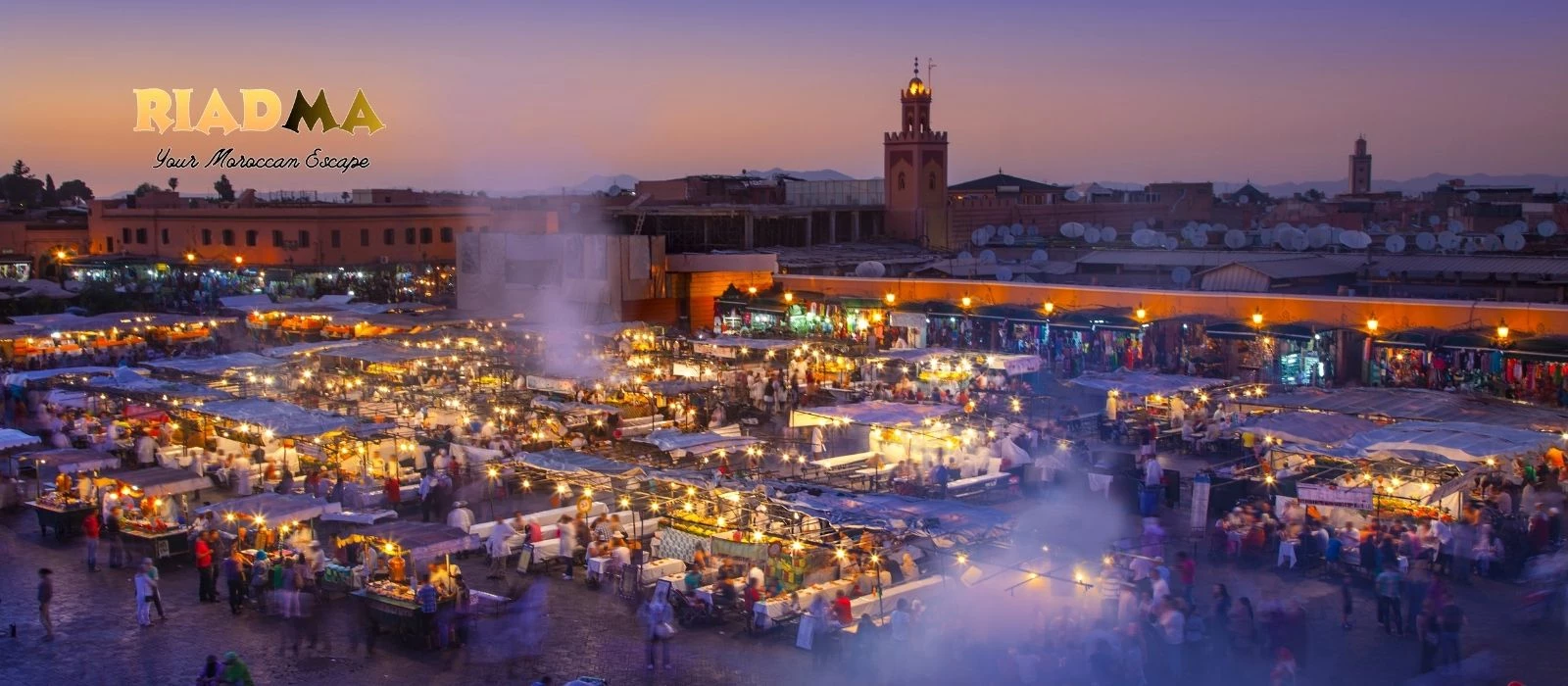
13. Street Food: Snails, Brochettes, and More
Moroccan street food is alive, noisy, aromatic. Snails simmer in spiced broth, believed to have healing properties. Beef and lamb brochettes grill over open flames, seasoned simply and served with cumin and salt.
This is where you eat standing, talking, laughing — part of the city’s rhythm.
14. Moroccan Sweets – Subtle and Fragrant
Moroccan desserts are not overly sweet. Almonds, honey, sesame, and orange blossom water dominate.
Chebakia, gazelle horns, and briouats are often served with mint tea, marking the end of a meal gently.
15. Mint Tea – Hospitality in a Glass
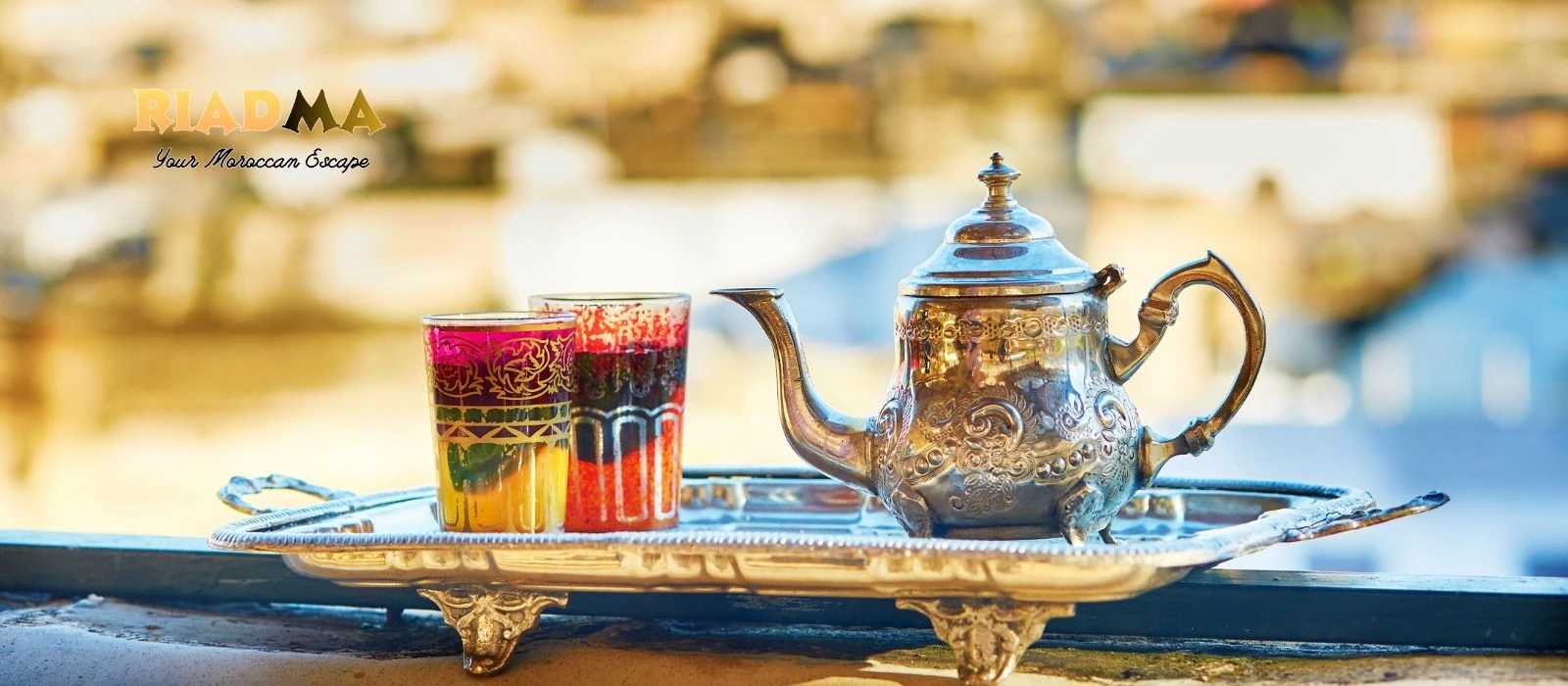
Mint tea is not optional; it is hospitality itself. Poured from high above the glass, it creates foam and signals welcome.
Sweet, hot, and refreshing, tea punctuates conversations and seals friendships.
What Moroccan Food Teaches the Traveler
- Food is meant to be shared
- Time improves flavor
- Hospitality is sacred
- Simple ingredients can be extraordinary
Traditional Moroccan food is not about trends or presentation. It is about care, rhythm, and connection. To eat in Morocco is to be invited — not just to a meal, but into a way of life.
If you let it, Moroccan cuisine will slow you down, open your senses, and stay with you long after the journey ends.