Vegetarian and Vegan Food in Morocco: Complete Guide❤️
Many travelers arrive in Morocco with a quiet concern: will there be vegetarian or vegan food beyond salads and bread? The answer reveals itself slowly, over shared plates, simmering pots, and generous gestures. Moroccan cuisine, at its heart, has always been deeply plant-based — shaped by seasons, agriculture, and a culture that values vegetables, grains, legumes, olive oil, and spices as much as meat.
This guide to vegetarian food in Morocco is written as someone who has eaten from family kitchens, street stalls, and riads, discovering that some of the most soulful Moroccan meals contain no meat at all. To eat plant-based here is not to compromise — it is to eat traditionally.
Understanding Vegetarian Food in Morocco
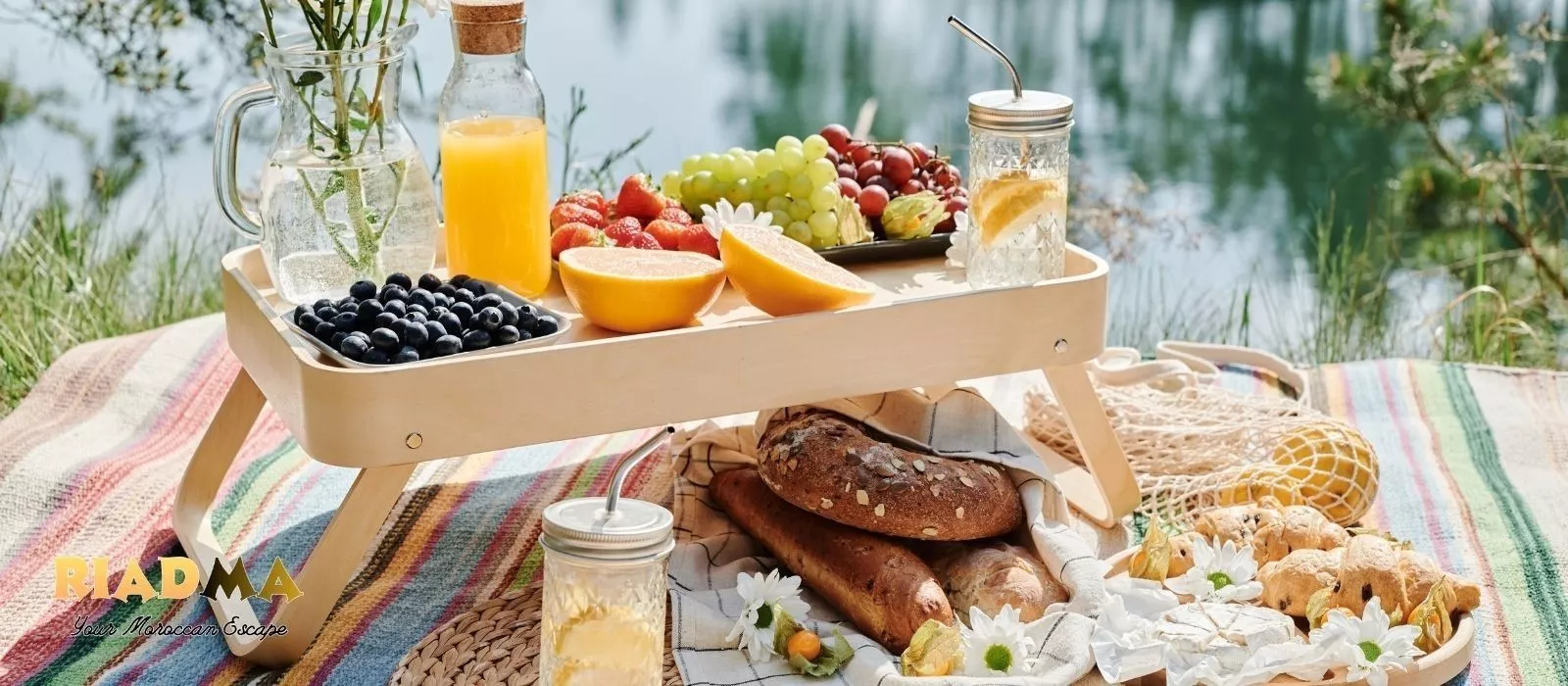
In Morocco, vegetarianism is rarely a label. Dishes are not categorized as vegetarian or vegan; they simply are. Meat is often reserved for celebrations, Fridays, or guests. Daily cooking, especially at home, relies heavily on vegetables, legumes, bread, and spices.
This makes plant based food in Morocco feel natural rather than adapted. You are not eating “alternatives” — you are eating foundations.
Moroccan Spices: The Soul of Plant-Based Cooking
Vegetarian Moroccan food never feels empty because spices give it structure and depth. Cumin warms from within. Paprika adds sweetness. Ginger sharpens gently. Turmeric stains sauces golden. Fresh herbs — cilantro and parsley — finish almost every dish.
Spices here are not aggressive. They are layered patiently, creating food that comforts rather than overwhelms.
Vegetable Tagines: Slow-Cooked Abundance
A vegetable tagine is one of Morocco’s greatest gifts to vegetarians. Cooked slowly in clay pots, vegetables soften without losing their identity.
Pumpkin melts into carrots. Zucchini absorbs sauce. Chickpeas anchor the dish. Preserved lemon brightens everything.
Served bubbling at the table with bread for scooping, a vegetable tagine is not a side dish — it is a complete, deeply satisfying meal.
Couscous Without Meat: Tradition on Fridays
While couscous is often served with meat, vegetarian versions are just as traditional. In many homes, vegetables are the stars, piled generously over light, hand-steamed semolina.
The broth is fragrant rather than heavy. The grains carry warmth and patience. Eating couscous like this teaches you that abundance does not require meat.
Zaalouk and Taktouka: Warm Salads with Character
Zaalouk, made from eggplant and tomatoes, tastes smoky, garlicky, and deeply comforting. Taktouka, built from roasted peppers and tomatoes, is brighter and slightly spicy.
These dishes appear on nearly every Moroccan table. Scooped with bread, shared quietly, they are expressions of hospitality.
Harira (Vegetarian Version): Nourishment and Ritual
Harira is best known as the soup that breaks the fast during Ramadan. While often prepared with meat, vegetarian versions are common and deeply nourishing.
Lentils, chickpeas, tomatoes, herbs, and spices create a thick, comforting soup that feels restorative. It is food with purpose — warming, grounding, and generous.
Bissara: Simple, Honest, Vegan
Bissara is a thick fava bean soup, drizzled with olive oil and sprinkled with cumin. Often eaten for breakfast, especially in colder regions, it is quietly powerful.
Served with bread, bissara tastes of humility and care. It is one of the most authentic vegan experiences in Morocco.
Msemen, Harcha, and Moroccan Bread
Moroccan flatbreads are essential to plant-based eating. Msemen is flaky and layered. Harcha is thick, semolina-based, and comforting.
Eaten with honey, olive oil, or jam, these breads turn simple moments into rituals.
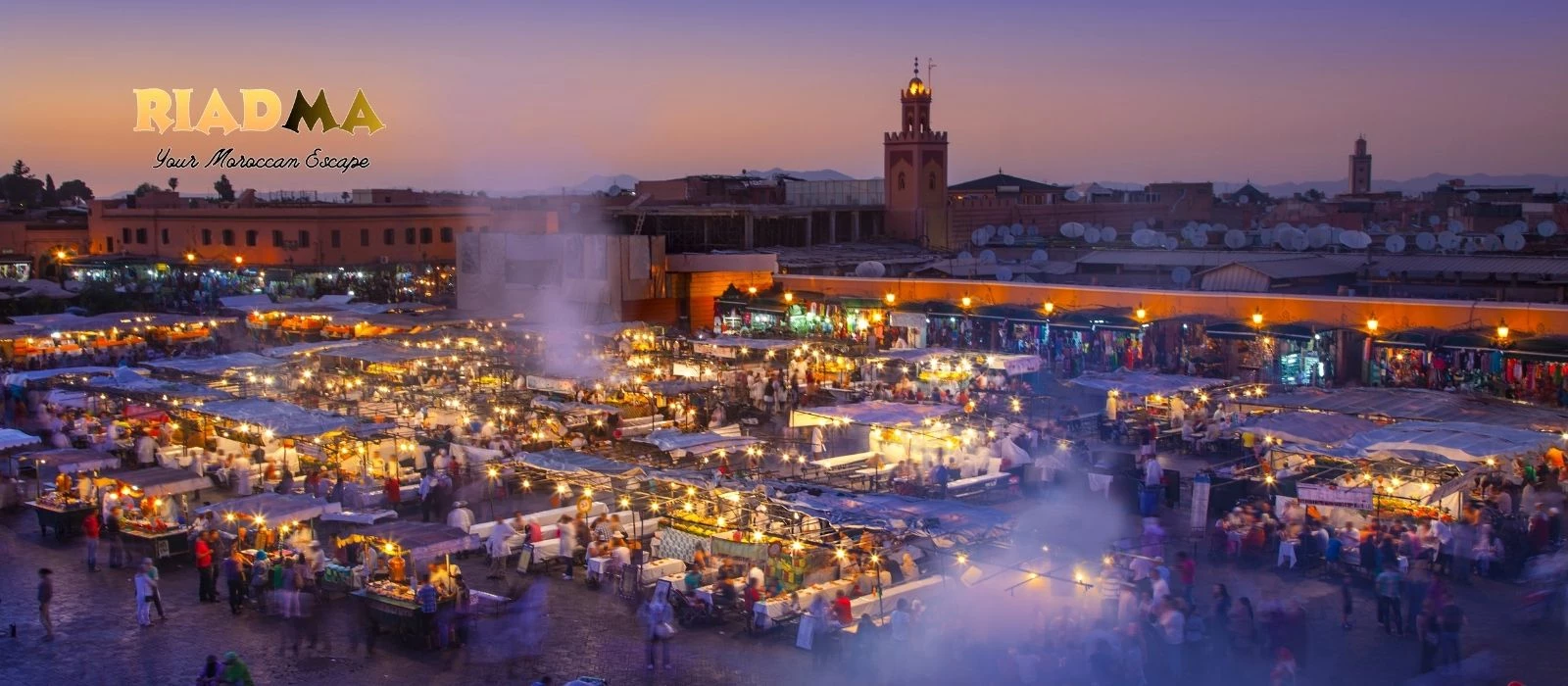
Street Food for Vegetarians
Vegetarian travelers are often surprised by how much street food they can enjoy.
- Maakouda – crispy potato fritters, often eaten in sandwiches
- Roasted corn – simple, smoky, satisfying
- Peanuts and chickpeas – sold warm, lightly salted
- Fresh juices – orange, avocado, pomegranate
Street food in Morocco is about immediacy and trust. Watching food cooked fresh is part of the experience.
Vegan Restaurants in Marrakech and Beyond
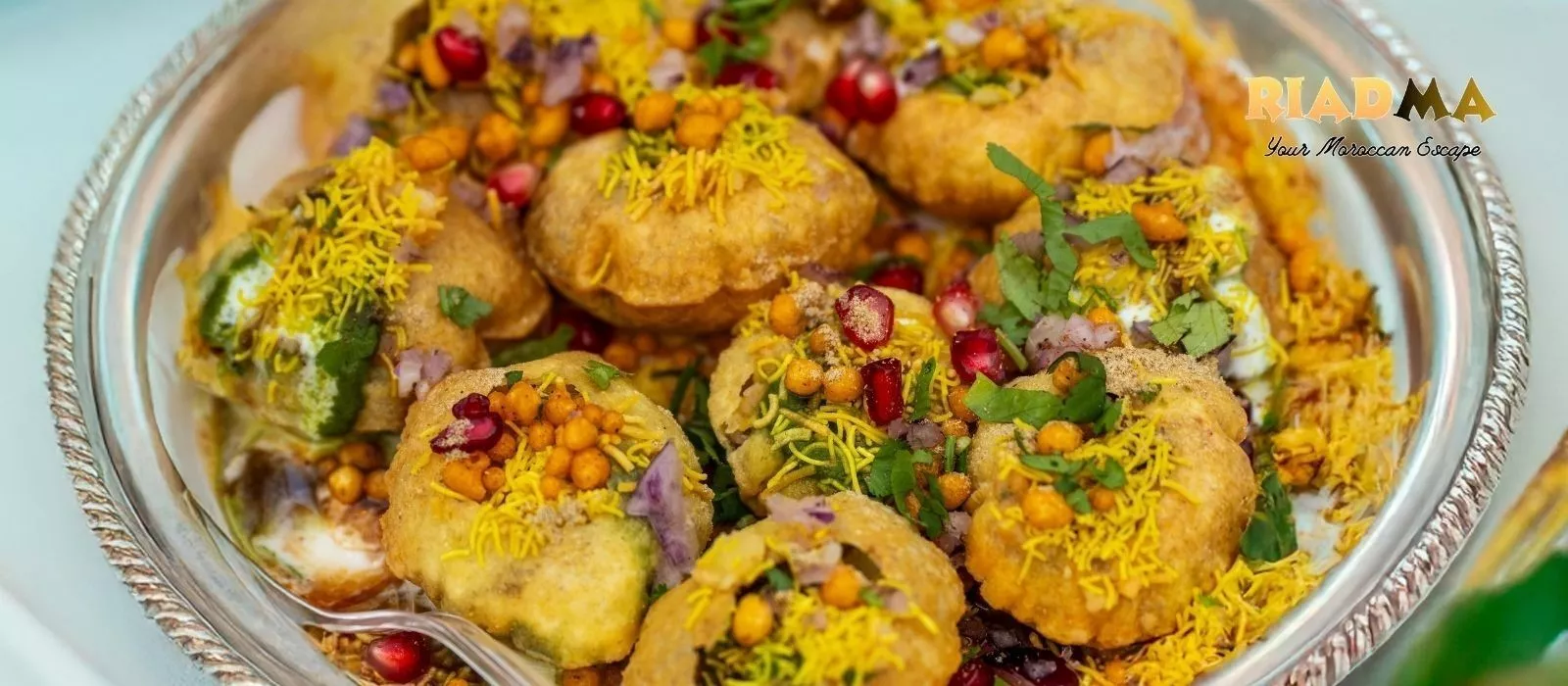
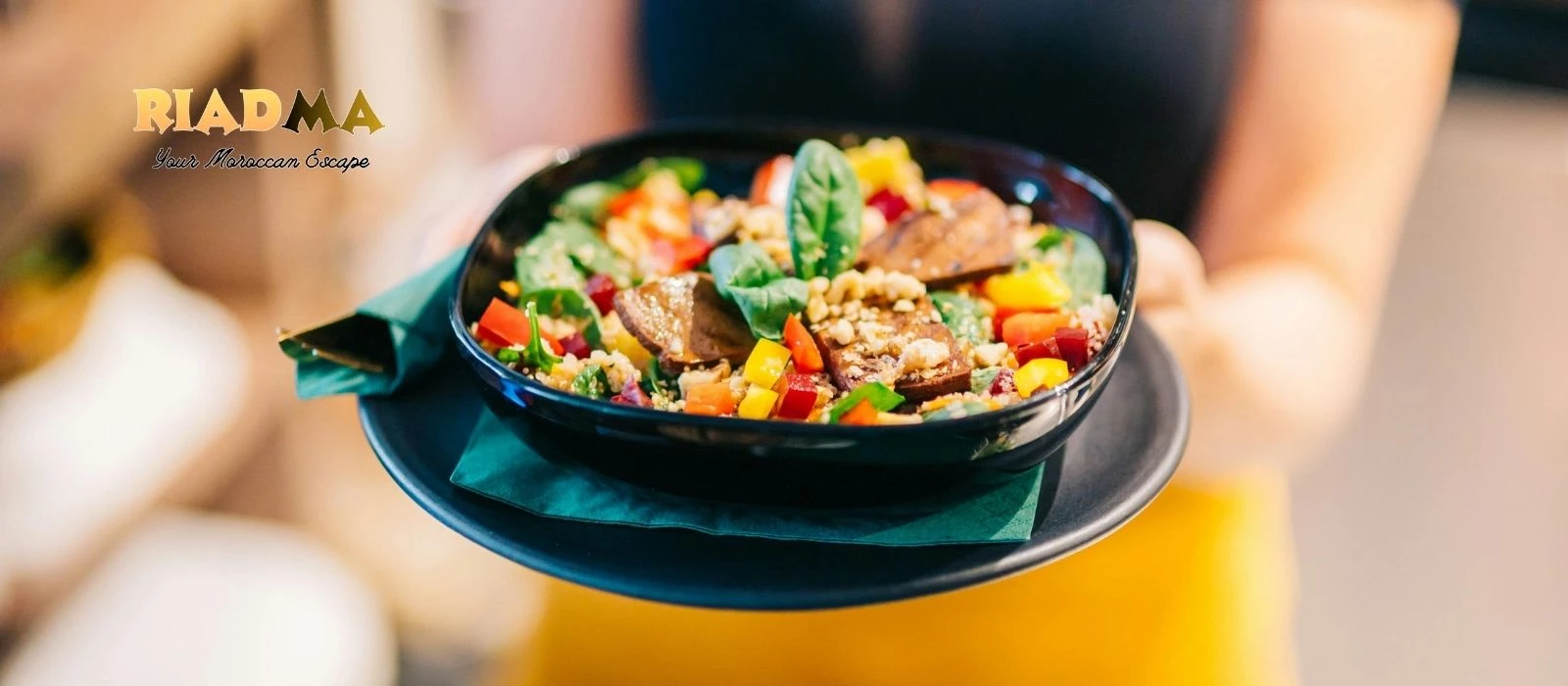
Marrakech has become especially welcoming to vegan travelers. While traditional restaurants already offer plant-based dishes, a new wave of vegan-friendly cafés and kitchens has emerged.
These places often reinterpret Moroccan classics without animal products, using creativity while respecting flavor.
Still, some of the most memorable vegan meals happen in places that don’t advertise as such — family-run restaurants, riads, and street stalls that cook as they always have.
Eating Vegetarian in Riads and Family Homes
If you stay in a riad or eat in someone’s home, vegetarian meals feel especially personal. Hosts often take pride in preparing vegetable-forward dishes, adjusting naturally without fuss.
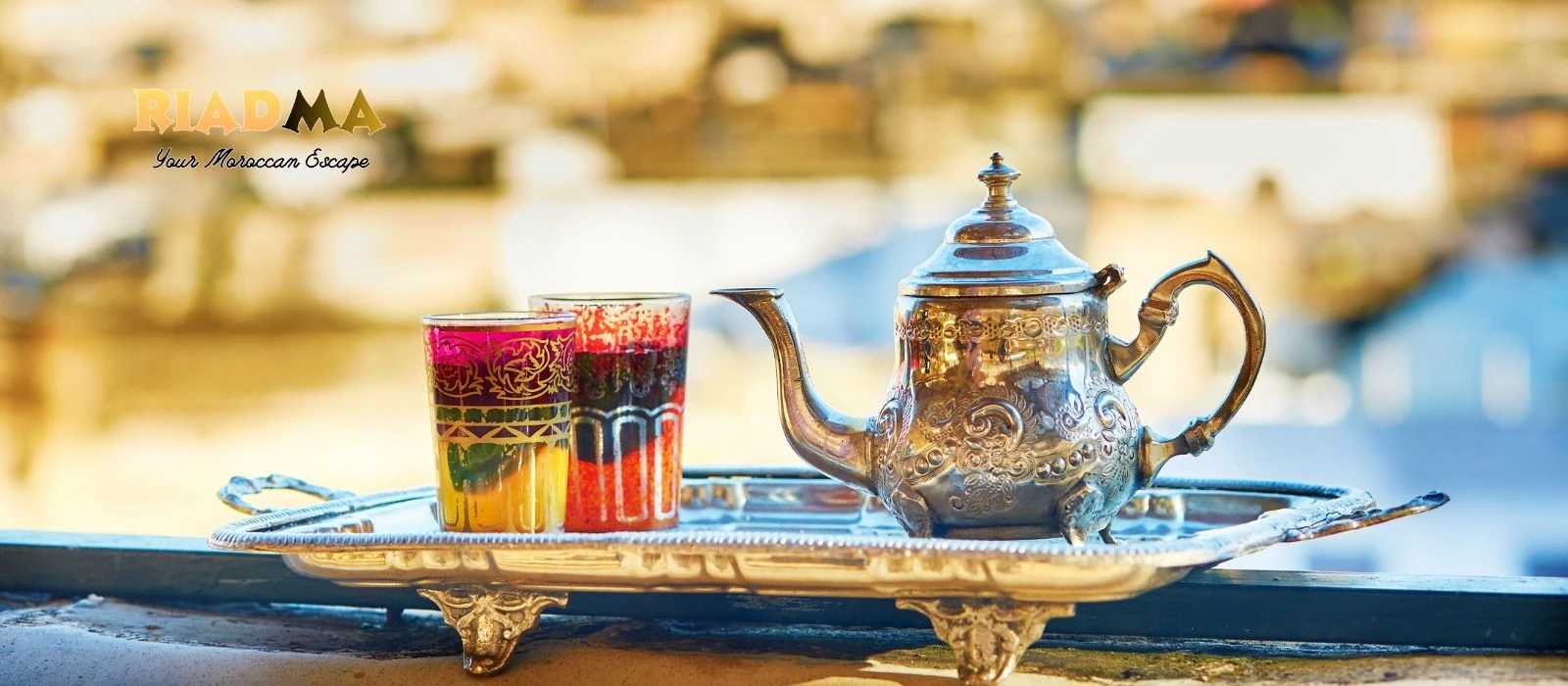
Food arrives slowly. Salads first. Tagines next. Tea last.
Being vegetarian here often invites more conversation, more explanation, more care.
Moroccan Salads: A Celebration of Vegetables
Moroccan meals often begin with several small salads, all plant-based by default.
- Tomato and cucumber with olive oil
- Carrot salad with cumin and lemon
- Beet salad with vinegar
- Lentil and chickpea salads
Together, they create balance and color, preparing the palate gently.
Vegan Morocco Guide: Practical Wisdom
- Learn a few phrases to explain dietary needs politely
- Ask how dishes are prepared — many are naturally vegan
- Trust home-style food more than international menus
- Embrace bread as part of every meal
Vegetarian food in Morocco is not about restriction — it’s about recognition.
Cultural Meaning of Plant-Based Eating
Vegetables in Moroccan cuisine symbolize seasonality and gratitude. What grows locally becomes what is cooked.
Meals reflect the land — olives from hillsides, tomatoes from fields, herbs from gardens.
Eating this way connects you to place more deeply than any menu ever could.
Why Vegetarians Eat Well in Morocco
- Vegetables are treated with respect
- Spices create depth without heaviness
- Meals are built around sharing, not portions
- Hospitality adapts naturally
A Final Reflection
Vegetarian and vegan food in Morocco is not a modern invention. It is ancestral, intuitive, and deeply satisfying.
If you arrive with openness, Morocco will feed you generously — with dishes shaped by time, care, and soil rather than trends.
Plant-based eating here is not a compromise. It is a return.