Top Historical Sites in Morocco You Should Visit❤️
Morocco does not tell its history in straight lines. It whispers it through carved doors, worn stones, and daily rituals that refuse to disappear. The historical sites in Morocco are not silent monuments frozen in time — they are living spaces where people still pray, trade, cook, argue, celebrate, and remember.
To walk through Morocco’s past is to walk through its present. History here breathes.
History as Daily Life in Morocco
In many countries, history is kept behind glass. In Morocco, it lives under your feet. Children play in centuries-old streets. Shopkeepers unlock wooden doors polished smooth by generations of hands. The call to prayer echoes through spaces that have heard it for hundreds of years.
This is why visiting historical sites in Morocco feels different. You are not observing ruins — you are stepping into continuity.
Fes Medina: A City That Never Stopped Living
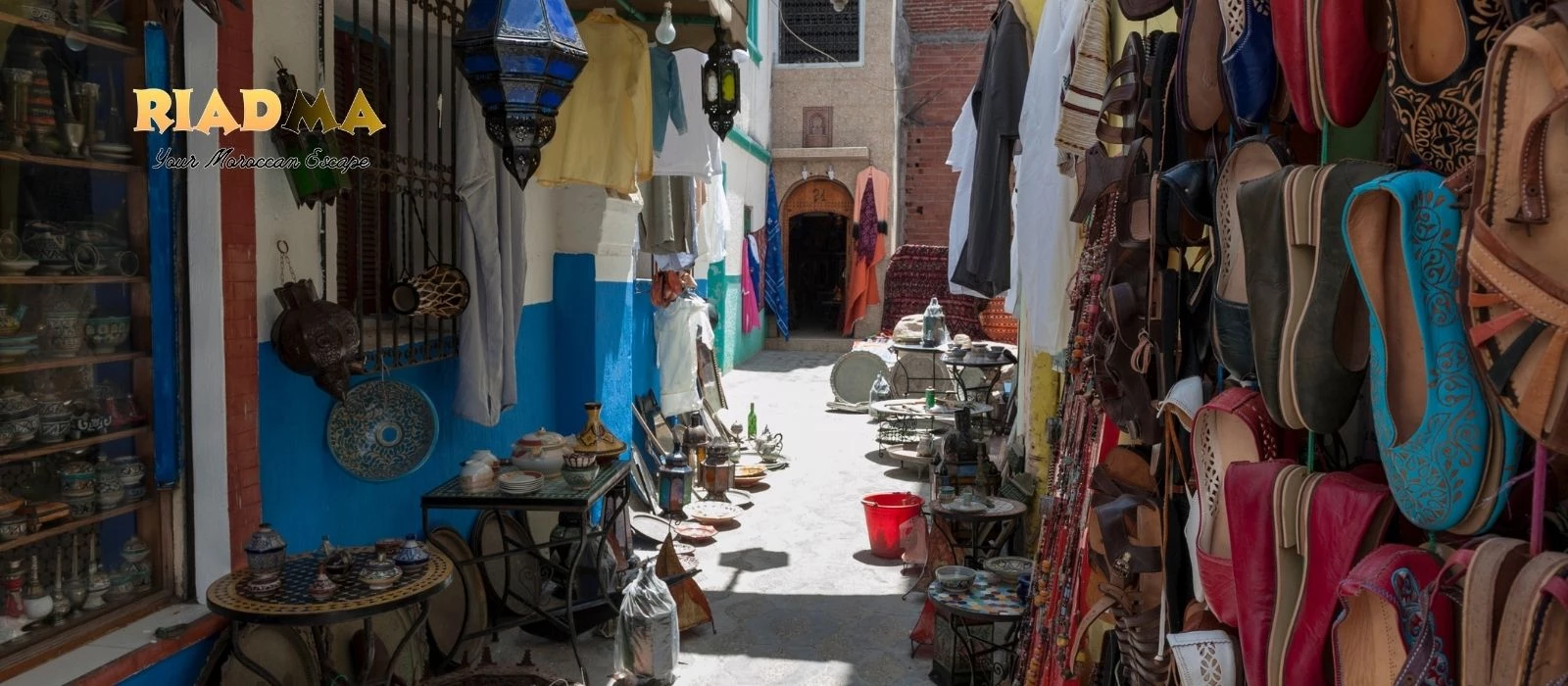
To understand ancient cities in Morocco, you begin in Fes. The medina of Fes is not only one of the world’s oldest urban centers still in use — it is a universe unto itself.
Narrow alleys twist and overlap like memory. Donkeys replace cars. Crafts are practiced exactly where they were born.
Fes Medina History Through Its People
Fes medina history is not found in plaques. It is found in tanneries where leather is dyed by hand, in mosques where generations prayed shoulder to shoulder, and in libraries that quietly guarded knowledge through unstable times.
- Traditional leather tanneries still operating
- Ancient madrasas teaching faith and craftsmanship
- Homes built inward, protecting privacy and peace
Fes teaches patience. It asks visitors to slow down and listen.
Marrakech: Layers Beneath the Red Walls
Marrakech is often seen as vibrant and theatrical, but beneath its energy lies depth. The city is a meeting point of caravans, ideas, and cultures.
Historical Places in Marrakech That Still Shape Life
Historical places in Marrakech are not quiet corners. They are woven into everyday movement.
- Ancient palaces hidden behind modest doors
- Courtyards where fountains cool the air
- Markets shaped by centuries of trade routes
The rhythm of the city has changed, but its bones remain the same.
Aït Ben Haddou: Where Stories Rise From Earth
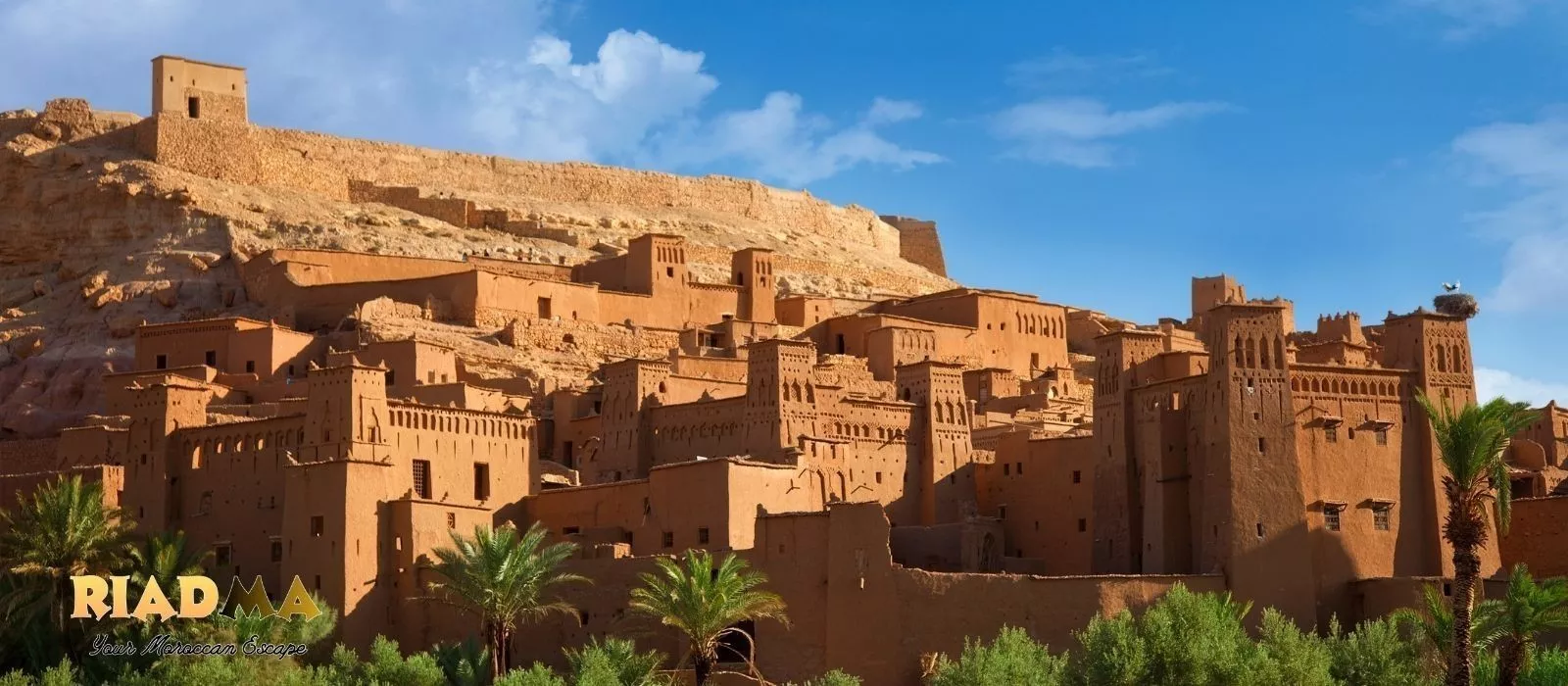
Built from clay and stone, Aït Ben Haddou rises from the landscape as if grown rather than constructed. This ksar is one of the most recognizable Morocco UNESCO sites, yet it remains deeply connected to local life.
Families once lived stacked within its walls. Storage rooms, prayer spaces, and homes were built as one organism.
Even now, nearby villages carry forward the same architectural wisdom — using earth, shade, and silence to survive harsh climates.
Volubilis: Echoes of an Ancient World
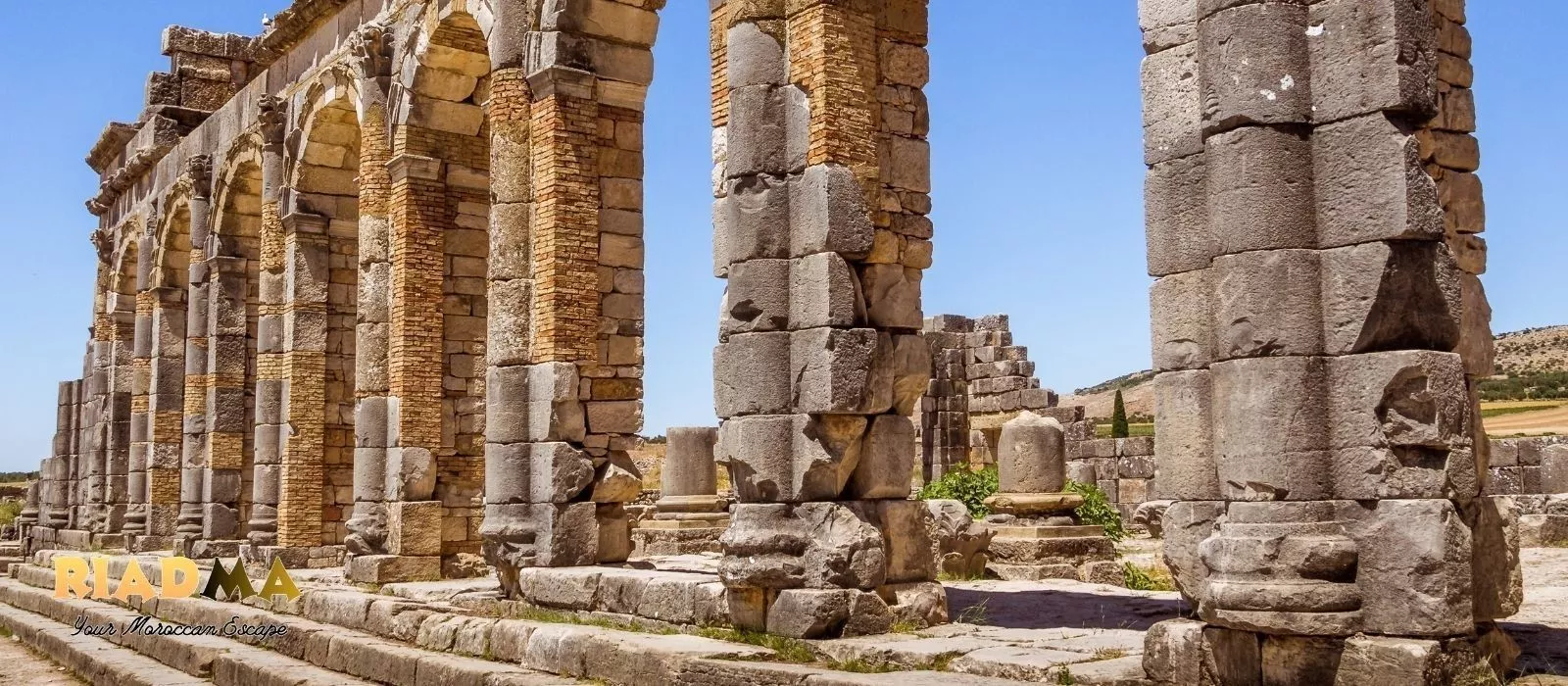
Among the rolling hills near Meknes, Volubilis tells a quieter story. These Roman ruins are not about empire — they are about adaptation.
Here, North African identity absorbed outside influence without losing itself. Mosaic floors still hint at daily routines: meals, farming, celebration.
Volubilis reminds visitors that Morocco’s history is layered, not linear.
Meknes: Power, Order, and Humility
Meknes reflects ambition tempered by reality. Its massive gates and walls speak of authority, yet the city today feels gentle.
Markets operate within former royal spaces. Horses still pass through monumental entrances. Life continues calmly inside structures built for grandeur.
This balance between strength and simplicity defines many historical sites in Morocco.
Essaouira: History Shaped by Wind and Sea
On the Atlantic coast, Essaouira tells a different story. Here, history is shaped by salt air, waves, and openness.
The city’s walls face the ocean, not enemies. Cultures met here — African, Arab, Amazigh, European — through trade rather than conquest.
- Port city traditions tied to fishing and music
- Architecture built to breathe with the wind
- A slower, reflective pace of life
Essaouira proves that Moroccan history is not only inland or imperial — it is also maritime and shared.
Chefchaouen: Sacred Space in the Mountains
Chefchaouen’s blue streets are often photographed, but their meaning is quieter. This mountain town offered refuge — spiritual and physical — to those seeking peace.
Daily life here is intimate. People greet one another by name. Traditions are preserved through repetition rather than display.
The city shows how heritage can be gentle.
Tombs, Zaouias, and Sacred Spaces
Across Morocco, small shrines and spiritual spaces dot cities and countryside. These places are not tourist attractions — they are anchors of faith and community.
Families visit them for blessings, reflection, and continuity.
Respect here means observing quietly.
Morocco UNESCO Sites as Living Heritage
Morocco UNESCO sites are often introduced as landmarks, but their true value lies in use.
- Medinas still inhabited
- Architectural techniques still practiced
- Social traditions still respected
Protection does not mean isolation. It means care.
Traditions That Carry History Forward
History survives through routine.
- Friday prayers gathering generations
- Markets opening at dawn
- Family meals shared from one plate
These rituals tie present-day Morocco to its past more strongly than any monument.
How to Visit With Respect
Visiting historical sites in Morocco is not about ticking off places. It is about presence.
- Dress modestly in old cities
- Ask before photographing people
- Move slowly and observe
History opens itself to those who approach gently.
Leaving With Understanding, Not Just Images
Ancient cities in Morocco do not ask to be admired. They ask to be understood.
When you leave these places, you carry more than photos. You carry rhythms, gestures, and stories passed quietly through stone and time.
Morocco’s historical sites do not belong to the past. They belong to those willing to meet them where they still live — in the present.