Festivals and Celebrations in Morocco: A Traveler’s Guide❤️
In Morocco, celebration is not confined to stages or calendars. It unfolds in homes, streets, courtyards, and public squares, woven into daily life. Moroccan festivals are moments when the country breathes outward — when faith, music, memory, and community rise to the surface and invite everyone nearby to listen.
To experience Morocco through its celebrations is to understand how people mark time, honor what matters, and remain connected to one another across generations.
Celebration as a Way of Life
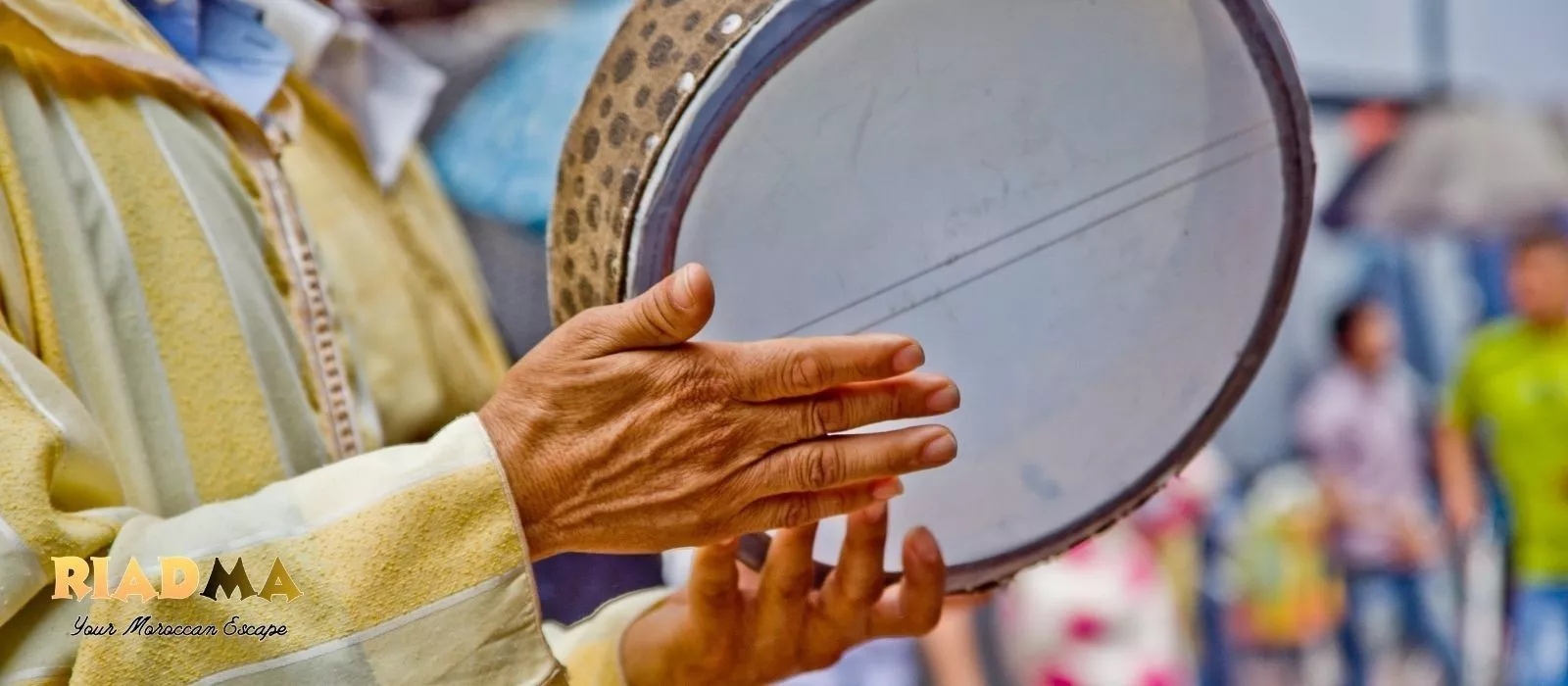
Morocco does not separate the sacred from the social. Many morocco cultural events are born from faith, agriculture, music, or family tradition. They are not spectacles designed for outsiders, yet visitors who approach with respect often find themselves welcomed into the rhythm.
Festivals here are less about performance and more about presence.
Ramadan in Morocco: A Month That Changes the Pace of Life
For travelers, Ramadan in Morocco for tourists can feel like stepping into a different current of time. Days slow down. Nights awaken.
During daylight hours, streets feel quieter. Cafés close or soften their presence. As sunset approaches, anticipation builds. Families gather. Tables are set.
Iftar: The Moment the Day Breaks Open
At sunset, the call to prayer signals iftar — the breaking of the fast. Dates, milk, soup, and bread appear almost everywhere at once. The city exhales.
- Harira soup shared with family
- Fresh bread from neighborhood ovens
- Sweet pastries prepared only for this time
Visitors are often invited to join. Accepting is a gesture of shared humanity.
Night Life During Ramadan
After prayers, cities come alive. Shops reopen. Conversations stretch late into the night. Children play. Music drifts through streets.
Ramadan reveals a quieter, deeper Morocco — one built on discipline, generosity, and patience.
Eid in Morocco: Joy, Family, and Renewal
Eid in Morocco arrives not as a single day, but as an atmosphere. Homes are cleaned. Clothes are prepared. Families reunite.
Eid al-Fitr: Celebration After Fasting
Marking the end of Ramadan, Eid al-Fitr is gentle and joyful. Morning prayers are followed by visits, sweets, and shared meals.
- Children wearing new clothes
- Neighbors exchanging greetings
- Tables filled with traditional desserts
The mood is light, thankful, and communal.
Eid al-Adha: Sacrifice and Solidarity
This Eid centers on sacrifice, charity, and remembrance. Families share meat with relatives and those in need.
For travelers, the day feels quiet and private. Respect means observing, not intruding.
The Fes Festival of World Sacred Music
Among Morocco’s most internationally known events, the Fes Festival of World Sacred Music brings voices from many cultures into one ancient city.
Concerts take place in courtyards, gardens, and historic spaces. Music becomes a bridge — not between genres, but between beliefs.
What makes this festival special is not scale, but intention. It invites reflection rather than excitement.
Moussem Festivals: Where Faith Meets Community
A moussem is a local festival tied to a saint, harvest, or regional tradition. These gatherings are deeply rooted in rural and spiritual life.
Each region celebrates differently, but common elements remain.
- Processions and prayers
- Music and dance unique to the area
- Markets and shared meals
Moussem festivals reveal Morocco at its most intimate — community-centered and grounded.
Music Festivals Beyond the Main Cities
Moroccan festivals often celebrate sound as memory.
Gnawa Music Gatherings
Gnawa music carries African spiritual heritage through rhythm and trance. Performances are not concerts; they are ceremonies.
The music builds slowly, inviting both musicians and listeners into shared focus.
Amazigh Cultural Celebrations
In the Atlas Mountains and southern regions, Amazigh festivals honor land, seasons, and identity.
- Traditional dances performed in circles
- Poetry passed orally
- Clothing rich in symbolism
These events preserve history without freezing it.
Urban Celebrations and Modern Morocco
Morocco’s cities host contemporary cultural events blending tradition and innovation.
- Film festivals celebrating storytelling
- Art exhibitions in historic riads
- Music festivals combining old and new sounds
These moments reflect a Morocco that honors its roots while speaking to the present.
Daily Rituals That Feel Like Festivals
Not all celebrations are named.
- Friday couscous shared at midday
- Wedding processions moving through streets
- Births marked with sweets and prayers
These everyday rituals carry the same spirit as larger festivals — connection and gratitude.
How Travelers Can Participate Respectfully
Joining Moroccan festivals is not about access. It is about attitude.
- Dress modestly
- Ask before photographing people
- Follow local cues
Observation is often the most respectful form of participation.
What Moroccan Festivals Teach Visitors
Moroccan festivals are not performances staged for applause. They are acts of continuity.
They remind visitors that culture lives in repetition, in shared moments, and in values passed quietly from one generation to the next.
Leaving With Rhythm, Not Schedules
Travelers often leave Morocco remembering not dates or names, but sounds — drums echoing through stone, prayers rising at dusk, laughter shared around a table.
Moroccan festivals do not ask you to understand everything. They ask you to feel.
And if you do, you leave with more than memories. You leave with rhythm — one that stays long after the celebration ends.